Why It Matters
A teak tree takes 80 years to grow.
Reclaimed wood means it doesn’t have to be cut.
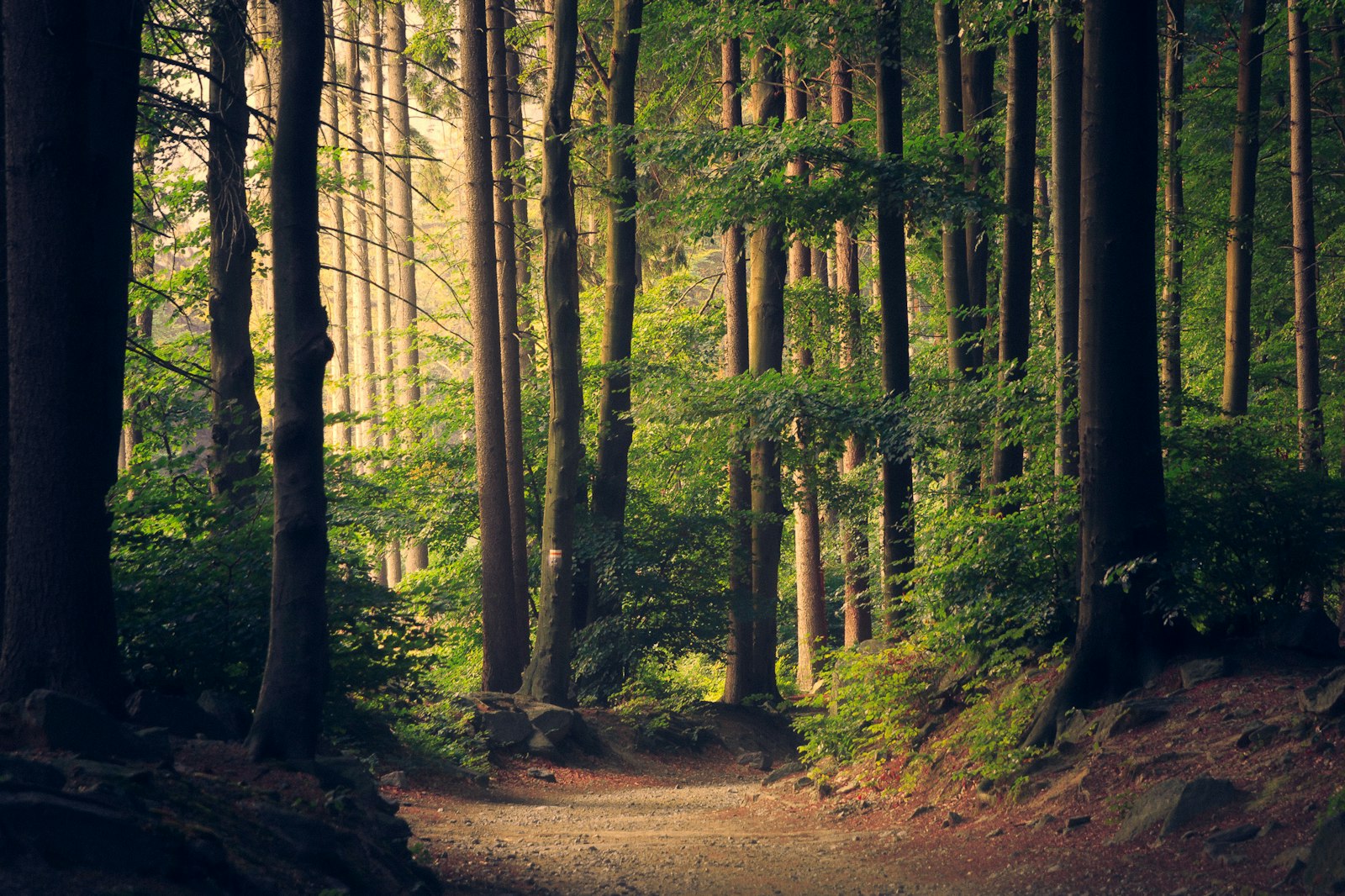
The world loses approximately 15 billion trees every year. Most of it is driven by agriculture, construction — and furniture manufacturing.
Reclaimed wood is wood that has already been cut. It comes from old barns, demolished buildings, antique structures, and reclaimed timber yards. When a craftsman shapes it into a new table or a chair, no new tree is felled. No new forest is disturbed.
This is not a small choice. A single teak tree takes 80 to 100 years to mature. An old-growth sheesham supports an entire ecosystem of birds, insects, and soil microorganisms. Choosing reclaimed wood means that tree — or one like it — gets to keep living.
At Reclaimed Roots, we believe sustainability is not a trend. It is a responsibility. And it can be beautiful.
The arithmetic of choosing reclaimed
The numbers behind reclaimed wood are unusually clear. A mature Indian Sheesham (Dalbergia sissoo) needs 35 to 50 years to reach harvestable size. Teak is slower still — closer to a century for the kind of close-grained, dense heartwood that gives premium teak furniture its long life. When a new dining table or wardrobe is built from these species, the cost is not the price tag in a showroom. It is the half-century of carbon sequestration, soil stabilisation, and habitat that the tree would otherwise have provided.
Reclaimed wood, by definition, has already paid that cost. The tree was felled, often decades ago, for a beam in a house, a door in a haveli, or the deck of a ship. When that structure is dismantled, the timber that remains is denser, drier, and frequently more beautiful than its modern equivalent. Choosing it is one of the few decisions in interior design where the environmentally better choice is also the aesthetically better one.
Why Indian craftsmanship matters here
India has one of the world’s longest unbroken traditions of woodworking. Jodhpur’s furniture industry alone employs tens of thousands of craftspeople; Saharanpur is famous for hand-carved Sheesham work; Kerala has its own canon of teak joinery. These workshops have, for centuries, used techniques that were sustainable long before sustainability had a name — small batch sizes, hand tools, locally sourced timber, and a culture of repair rather than replacement.
The same workshops are now some of the most skilled in the world at working with reclaimed timber. When you commission a reclaimed-wood piece from a Jodhpuri or Saharanpur maker, you are not only saving a tree; you are also keeping alive a body of knowledge that is genuinely irreplaceable.
A small editorial commitment
Everything we publish on Reclaimed Roots is written with this in mind. We try to point readers to choices that are quietly better — for forests, for craftspeople, and for the homes that hold the resulting pieces for the next fifty years. The publication’s full position on these subjects is set out on the About page.