
Reclaimed wood slow fashion may sound like an unlikely pairing, but the two movements share more than most people realise. Both push back against disposable manufacturing. Both honour craft economies. Both privilege longevity over novelty. Therefore, when reclaimed wood furniture and slow fashion textiles share a home, the underlying sustainability philosophy is consistent across every surface — from the floor planks to the upholstery weave. In this guide, we walk through how the two movements support each other, how to combine them inside a sustainable Indian home, and why the combination quietly reshapes daily living.
What Reclaimed Wood Slow Fashion Have in Common
Reclaimed wood slow fashion both refuse the disposable cycle. Therefore, both movements assume that good objects deserve to last decades. As a result, every purchase decision becomes more deliberate — what is bought is intended to age well, not to be replaced next season. Both movements treat consumption as a long-term relationship rather than a transaction.
Moreover, both rely on craft economies rather than mass manufacturing. Indian reclaimed wood furniture comes from Jodhpur and Saharanpur workshops. Indian slow fashion textiles come from handlooms in Banaras, Pochampally, and Kanchipuram. As a result, the two movements share a structural commitment to keeping traditional crafts economically alive.
The Aesthetic Language of Reclaimed Wood Slow Fashion
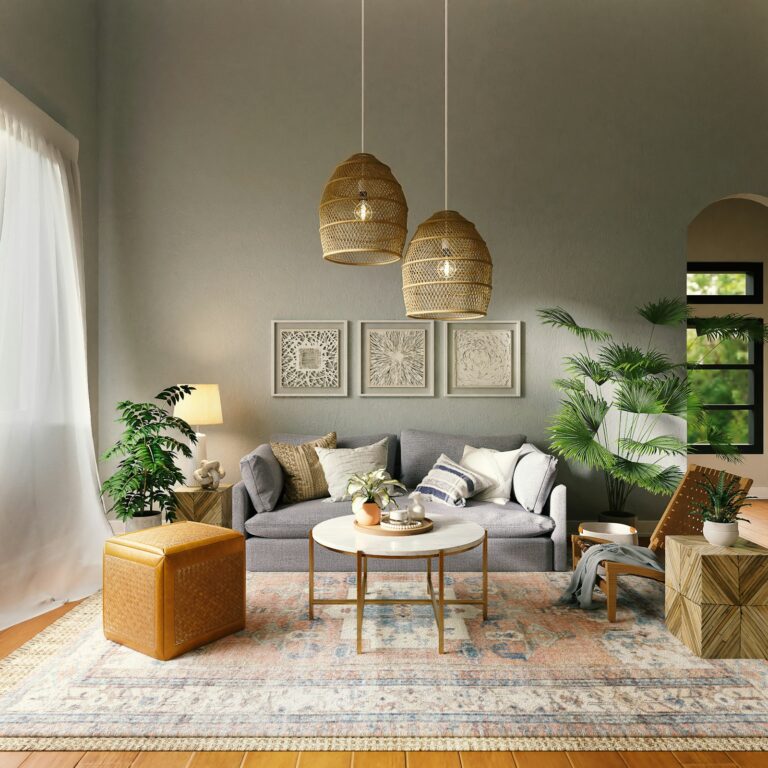
Reclaimed wood slow fashion share a visual vocabulary built around natural materials, gentle imperfection, and warm tones. Therefore, a slow fashion linen runner sits naturally on a reclaimed wood dining table. A handloomed cotton throw fits over a salvaged-teak daybed. A khadi cushion belongs on a sheesham bench. The materials recognise each other instinctively.
Furthermore, both movements prefer muted, earth-based colour palettes — indigo, madder red, turmeric yellow, natural cream. According to the UNESCO intangible heritage records, many Indian handloom and dyeing traditions are formally recognised for protection, which connects slow fashion directly to the same craft preservation logic as reclaimed timber.
How to Combine Reclaimed Wood Slow Fashion in an Indian Home
First, anchor the room with a reclaimed wood piece — a dining table, low console, or daybed. The timber establishes the visual tone. Second, layer handloomed textiles in complementary tones. Therefore, a single khadi runner or two cotton cushions often transforms the room without crowding it.
Third, choose curtains in natural fabrics — linen, cotton, jute. Avoid synthetic upholstery, since polyester throws off the entire aesthetic. Fourth, add small handcrafted decorative pieces — copper vessels, terracotta diyas, hand-thrown ceramic bowls. These extend the slow-craft sensibility from textiles and wood into smaller objects.
Slow fashion dresses the body. Reclaimed wood dresses the house. Both refuse to be in a hurry.
Why the Combination Strengthens Sustainability
A home built around reclaimed wood slow fashion reduces total household consumption considerably. Therefore, fewer replacements happen across furniture and textiles. As a result, both carbon and material footprints shrink — without the household sacrificing aesthetic richness. The combination quietly demonstrates that sustainability and beauty are entirely compatible.
Moreover, the combination supports two craft economies at once. Every reclaimed wood piece supports artisans in Jodhpur, Saharanpur, or smaller regional workshops. Every slow fashion textile supports weavers in Banaras, Pochampally, or Mithila. Our piece on the carbon footprint of reclaimed wood furniture provides numbers on the wood side, which slow fashion mirrors on the textile side.
Quick Tip: Pair a reclaimed wood bench with a single handloomed cushion in a natural indigo or madder red tone. The combination quietly demonstrates the full reclaimed wood slow fashion aesthetic at a small, low-cost scale — perfect as an entry-point experiment.
Caring for Reclaimed Wood Slow Fashion Together
Care routines for both movements align surprisingly well. Reclaimed wood needs light waxing twice a year and gentle dry-cloth dusting. Slow fashion textiles need gentle hand washing or cold-water machine cycles and air drying. Therefore, the household rhythm becomes one of slow, periodic care rather than disposable replacement.
Furthermore, both reward repair over replacement. Reclaimed wood pieces can be refinished, re-joined, or partly reused. Slow fashion textiles can be patched, darned, and re-dyed. As a result, the household quietly cultivates a culture of repair, which often transmits to children growing up in the home. Our piece on reclaimed wood furniture care walks through wood routines that pair naturally with textile care.
Frequently Asked Questions About Reclaimed Wood Slow Fashion
Is reclaimed wood slow fashion more expensive than fast alternatives?
Slightly higher upfront. However, both last decades rather than years, which makes the long-term cost considerably lower than fast furniture and fast fashion combined.
Do reclaimed wood pieces clash with bright modern textiles?
Generally yes. Reclaimed timber pairs best with muted, natural-dye textiles. Bright synthetic patterns tend to fight the timber’s quiet character rather than complement it.
Where can I find Indian slow fashion textiles?
Direct handloom cooperatives, regional craft fairs, and reputable slow-craft online platforms. Mass-market retailers occasionally sell similar styles, but provenance is harder to verify.
Can the combination work in small apartments?
Yes, particularly well. A single reclaimed wood anchor piece plus two or three handloomed accents quietly transforms a small apartment without overcrowding the space.
Final Thoughts: Two Slow Languages, One Home
Ultimately, reclaimed wood slow fashion is less a design trend than a quiet lifestyle alignment. The wood ages gracefully. The textiles soften with use. The household consumes less and means more. In a culture increasingly trained to chase newness, choosing to build a home around these two slow movements is a small but meaningful act of resistance — and the result, year after year, is a space that feels both timeless and deeply alive.



Great content! Keep up the good work!