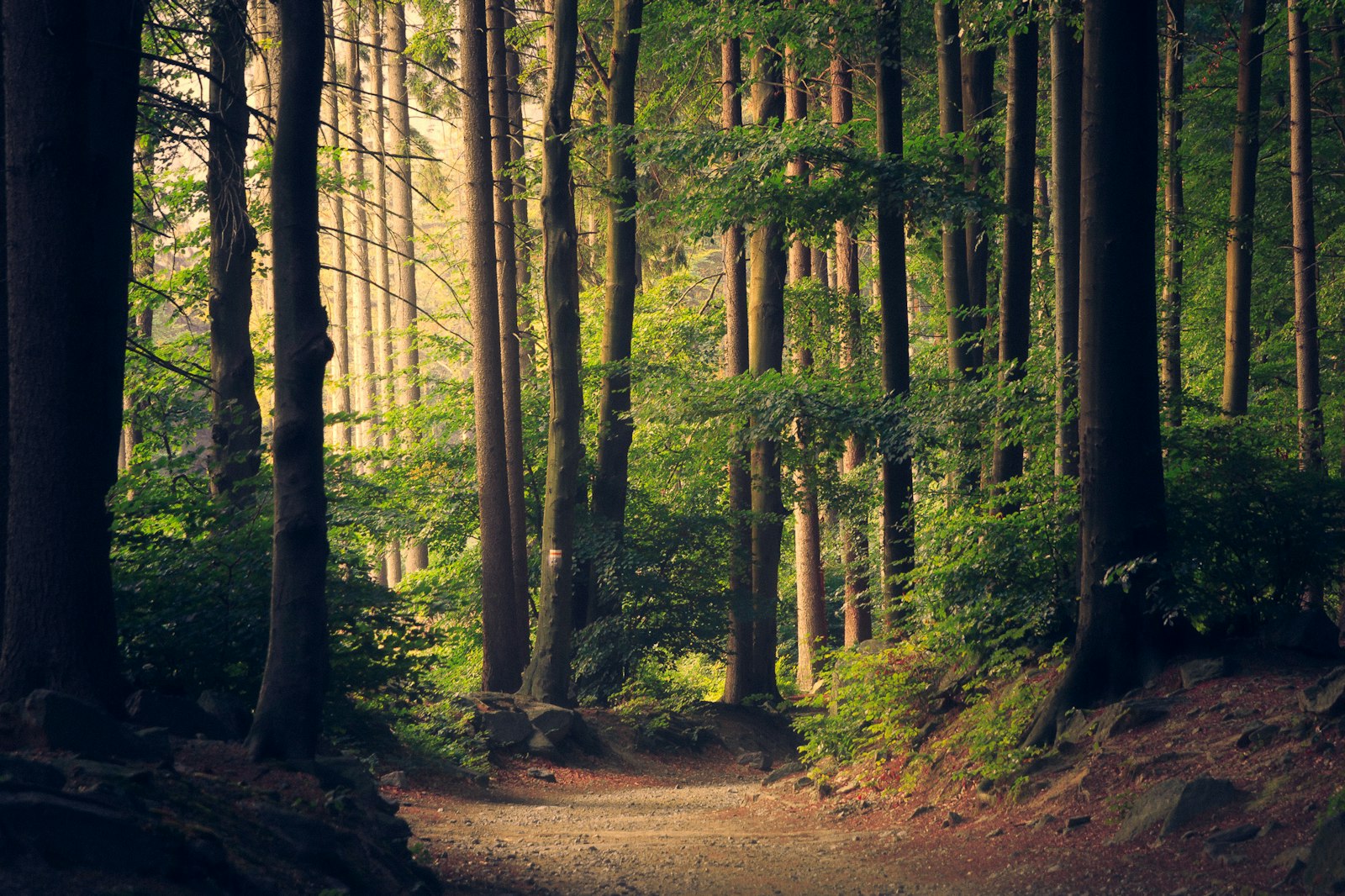
There is a room somewhere in Kerala whose floor is laid in reclaimed teak, whose beams came from a 120-year-old barn, and whose single largest window opens onto a jackfruit tree that is older than anyone in the family. However, when you sit in that room, your body knows something your mind takes a little longer to articulate. You feel calmer. Also, your heartbeat slows. Your shoulders drop. Moreover, this is not decorative magic. It is biophilic design with reclaimed wood, and it is one of the oldest quiet ideas in architecture: human beings are healthier, happier, and gentler when their surroundings remember that they came from a forest. Furthermore, this article is about how to bring that memory into your home, honestly.

What Is Biophilic Design with Reclaimed Wood, and Why Does It Matter?
However, biophilic design is the practice of building and decorating spaces in a way that connects the human body to the natural world. In fact, it uses natural light, natural materials, plant life, natural forms, and the specific sensory qualities of living things to make a room feel, at a subconscious level, like an extension of the outdoors. Decades of environmental psychology research now show that biophilic interiors lower stress hormones, improve focus, and reduce recovery times in hospital settings.
Biophilic design with reclaimed wood takes this one step further. Indeed, reclaimed wood is one of the most potent biophilic materials available, because it carries visible evidence of its forest origin — knots, grain, saw marks, nail holes. Synthetic surfaces do not speak the same language. Additionally, a reclaimed beam, by contrast, is almost a direct quotation from the forest itself.
As a result, this matters especially now, when the world is losing roughly 15 billion trees every year. Meanwhile, choosing biophilic design with reclaimed wood is the rare design decision that is both good for the room and good for the forest. No new tree is cut to give your home its calming, grounding effect. Notably, the tree was already cut. The forest gets to stay standing.
The Hidden Story of Why a Wooden Room Calms Us
For hundreds of thousands of years, human beings lived in constant sensory contact with forests — their scents, their filtered light, their muted sounds, their irregular natural geometries. Crucially, our nervous systems developed in that context. They did not develop in rectangular rooms lined with plastic veneer.
In other words, when we enter a room made primarily of old wood, something in our physiology recognises the inputs. However, our eyes relax because wood grain has exactly the kind of irregular, fractal pattern that natural vision evolved to process easily. Our breath deepens because real wood gently regulates humidity in a way that plastics and synthetic finishes cannot. Also, our nervous system reads the space as “safe” because it looks and smells and feels like the environment our biology was built for.
Now add that the wood is reclaimed — that it has been alive, in one form or another, for decades or centuries. Moreover, that kind of material carries a quiet, slow-time presence that newer materials simply cannot emulate. A reclaimed room is not a room built from wood. Furthermore, it is a room built from memory.

A reclaimed beam in a modern room is not just a material. It is a small forest refusing to forget itself.
How Biophilic Design with Reclaimed Wood Actually Works in a Home
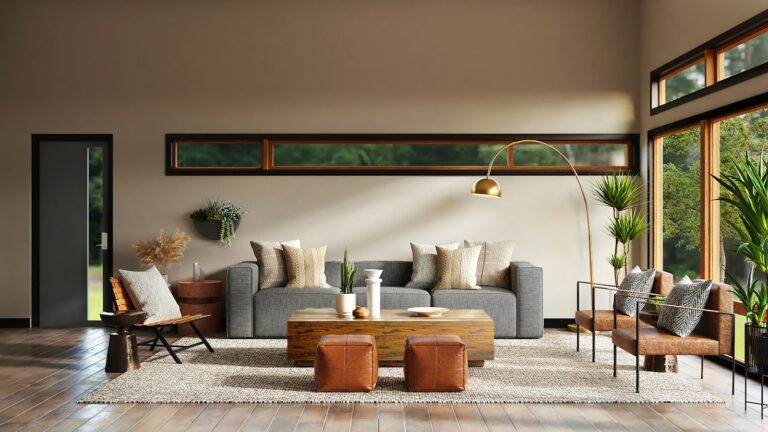
Indeed, you do not need to rebuild your house to practice biophilic design with reclaimed wood. In fact, you can start with a single element. A reclaimed dining table in an otherwise modern room changes the acoustic, visual, and emotional temperature of the space more than almost any other single intervention. Indeed, a reclaimed wood shelf in a kitchen. A salvaged plank as a desk surface. Additionally, a reclaimed beam used as a mantel. Each of these is a biophilic anchor that the rest of the room can organise around.
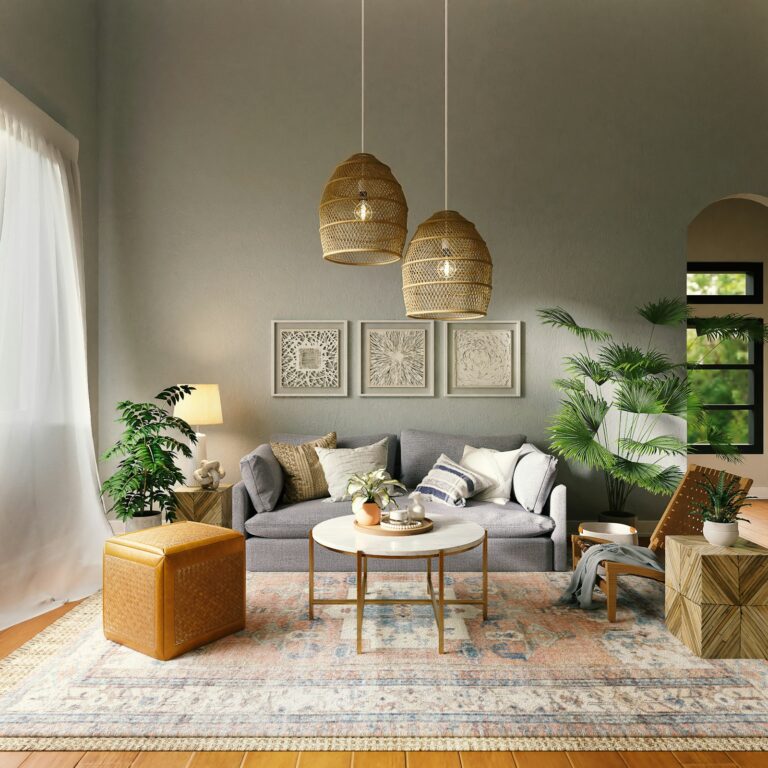
The next layer is proportion. Meanwhile, biophilic rooms do not maximise wood for the sake of it — they balance wood against natural light, plant life, natural textiles, and breathing room. A classic formula is roughly one third reclaimed wood, one third natural textiles (cotton, linen, wool, jute), and one third negative space, with plants and light filling the remainder.
Notably, finally, there is finish. Notably, reclaimed wood at its most biophilic is oiled or waxed, not sealed in thick glossy lacquer. Natural finishes let the wood breathe, age, and continue to release its characteristic scent. Crucially, this is part of why old Indian homes so often smell quietly of sandalwood and old teak — the wood is still communicating.
Quick Tip: When you add a reclaimed wood piece to a room, don’t try to match everything around it. Biophilic design works better when the reclaimed element stays slightly “loud” — a little rougher, a little darker, a little more honest than the surrounding finishes. The contrast is part of how the effect works.
Indian Craftsmanship and the Soul of Biophilic Reclaimed Design
Long before “biophilic design” became a Western architectural term, Indian homes were built on its principles. However, traditional Rajasthani courtyards, Kerala tharavadus, and Goan Portuguese homes all used reclaimed or locally-sourced wood for their beams, doors, and furniture — with careful attention to airflow, light, and plant life in internal courtyards. The sheesham doorway carved by a Jodhpuri craftsman is not just ornamentation. Also, it is a threshold that a forest helped design.
Above all, when you bring Jodhpuri reclaimed furniture into a modern apartment, you are importing a small fragment of that tradition. Moreover, the hand-turned legs, the hand-forged iron bands, the oil finishes that let the wood breathe — these are all biophilic design choices that Indian artisans made naturally for centuries. Pairing them with indoor plants, natural textiles, and soft light completes the effect. Furthermore, you get a room that feels unmistakably Indian, unmistakably forest-adjacent, and unmistakably calm.

How to Practice Biophilic Design with Reclaimed Wood — A Practical Guide
- Start with an anchor piece. A reclaimed dining table, bed, or bookshelf in the room you use most. Let that one piece set the tone.
- Layer in soft natural textiles. Hand-woven cotton, linen, wool, jute. Keep synthetic textiles minimal — they block the biophilic effect.
- Bring in live plants. Even one large leafy plant near the reclaimed wood doubles the felt effect of both.
- Maximise natural light. Pull heavy curtains away from windows during the day. Reclaimed wood looks richest in natural light, and so do you.
- Choose natural finishes. Oil and wax over polyurethane. The wood needs to keep breathing for the biophilic effect to stay alive.
- Let the wood age honestly. Don’t chase perfection. Scratches, marks, patina — these all deepen the biophilic reading of the space over time.
- Work with the craft, not around it. Hand-made reclaimed furniture does more biophilic work than machine-made. Trust the human touch.
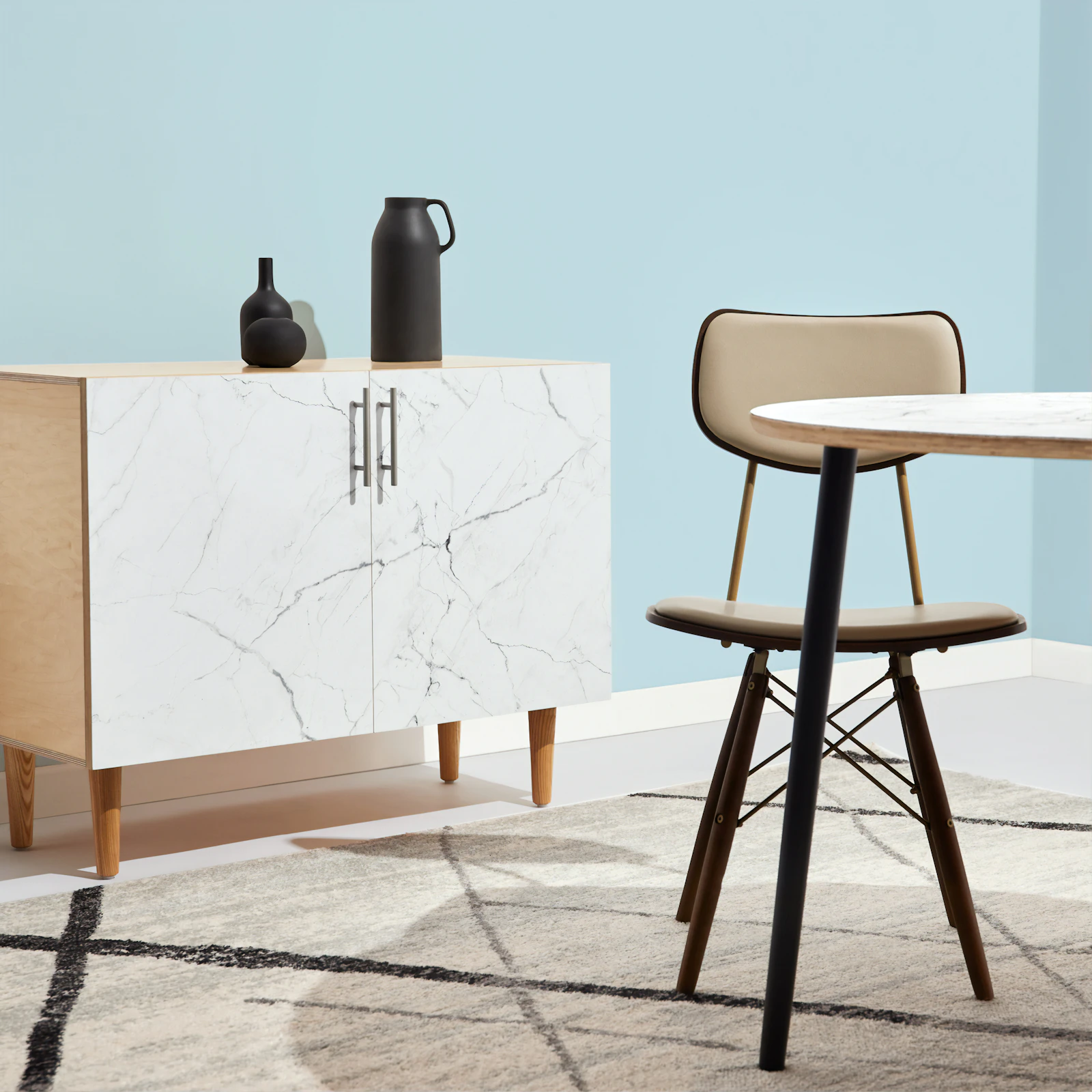
Every Room Is a Small Promise to the Forest
Back in that Kerala room, the jackfruit tree is moving in the afternoon wind, and the reclaimed teak floor is doing the quiet work it has been doing for a hundred years — regulating humidity, softening sound, giving the people inside the unconscious signal that they are home. In fact, the room is not beautiful because it is decorated well. It is beautiful because it remembers where it came from.
Therefore, that is what biophilic design with reclaimed wood really is. Indeed, not a style, not a trend, not an interiors Instagram moment. A way of building rooms that do not forget the forest. Additionally, a way of making sure your home gives back, in spirit, even a fraction of what a tree gave to build it. If a home can quietly do that — and with reclaimed wood, yes, it can — then every room becomes a small promise to the forest. Meanwhile, and the forest, in its slow way, notices.
In Closing
Biophilic design with reclaimed wood is one of the gentlest, most honest ways to build a beautiful home. Notably, you do not have to start big. One reclaimed piece, one plant, one well-placed window, and the room begins to shift. Crucially, over years, a house built this way becomes quieter, calmer, and far more alive. The forest the wood came from gets to keep living too. However, that is the kind of design worth choosing — not because it is fashionable, but because it is true.
Further Reading on Reclaimed Wood
Furthermore, several other journal pieces extend this story. Moreover, our category archives offer different angles on reclaimed living. Meanwhile, the buying guides simplify your next purchase, and the nature-design pieces show how to use the wood well in your home.
- Where Reclaimed Wood Really Comes From — the salvage chain in detail.
- How to Spot Fake Reclaimed Wood — seven honest tests.
- Sheesham, Mango or Teak buying guide — choose the right hardwood.
- The Slow Furniture Movement — buying less, buying better.
- 10-Year Reclaimed Wood Care Guide — oils, beeswax, patience.
Additionally, the editorial images on this site come from Unsplash, where photographers share their work freely. Likewise, you can browse Reclaimed Roots by topic from the main journal or jump directly to a category.