Aged wood photography captures the patina, grain, and quiet drama of reclaimed timber in ways no other subject quite matches. Therefore, salvaged Indian wood is one of the most rewarding photographic subjects available. Each plank carries decades of small marks, mineral staining, and slow oxidation that tell stories on camera. In this guide, we walk through what makes aged wood photography unique, the techniques that bring salvaged timber to life on screen, and the styling choices that separate flat product shots from genuinely beautiful images.
Why Aged Wood Photography Is Different
New plantation timber has uniform grain and predictable colour. Therefore, photographs of new wood often look generic and replaceable. Aged wood, by contrast, shows tight growth rings, deep patina, mineral marks, and small irregularities that catch light unpredictably. As a result, aged wood photography produces images with depth and character that fresh timber simply cannot match.
Additionally, reclaimed Indian timber has decades of layered surface history. Old nail holes, rope marks, faded paint patches, and weathered edges all add visual interest. Although individual marks seem small, they compound into rich photographic detail. Consequently, even amateur photography of reclaimed wood often produces compelling images.
Lighting for Aged Wood Photography
Lighting matters more than camera quality for aged wood photography. Therefore, choose light direction carefully. Side lighting — natural daylight from a window or a softbox at 45 degrees — reveals grain texture beautifully. Overhead lighting flattens the surface and hides character. As a result, the same plank can look extraordinary or boring depending on light angle alone.
Moreover, warm-toned light at 2700–3200K brings out the honey, amber, and brown tones in salvaged Indian timber. Cool blue-white light fights the warmth and produces clinical-feeling images. Although studio softboxes work well, golden-hour daylight near a window often produces the most evocative aged wood photography results.
Composition for Aged Wood Photography
Wood is a subject that rewards close composition. Therefore, fill the frame with grain whenever possible. Macro shots of single knots, end-grain rings, or small areas of patina often produce more compelling images than wide shots of entire pieces. As a result, attention to small details usually outperforms attempts at sweeping context.
Moreover, vary perspective intentionally. Top-down flat-lays reveal grain patterns clearly. Low-angle shots emphasise weight and presence. Slight oblique angles bring out the three-dimensional character of carved or banded surfaces. Although every angle has its use, mixing them within a single shoot produces the most varied portfolio. For more on photographing reclaimed timber, see our piece on reclaimed wood patina and aging.
The camera does not photograph wood. It photographs how light remembers the years inside it.
Aged Wood Photography for Interior Stories
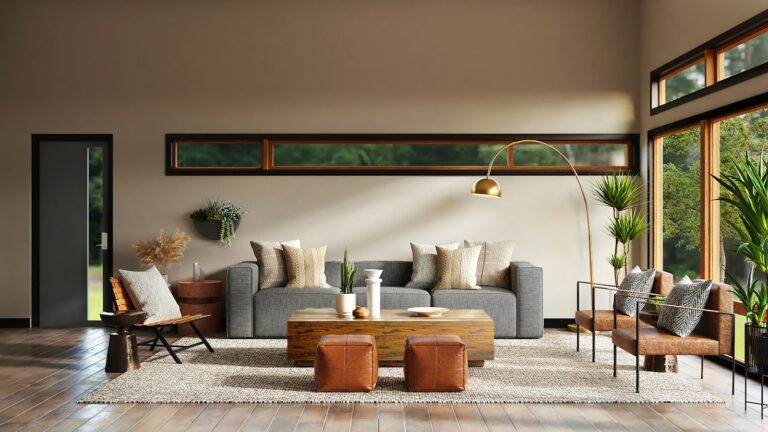
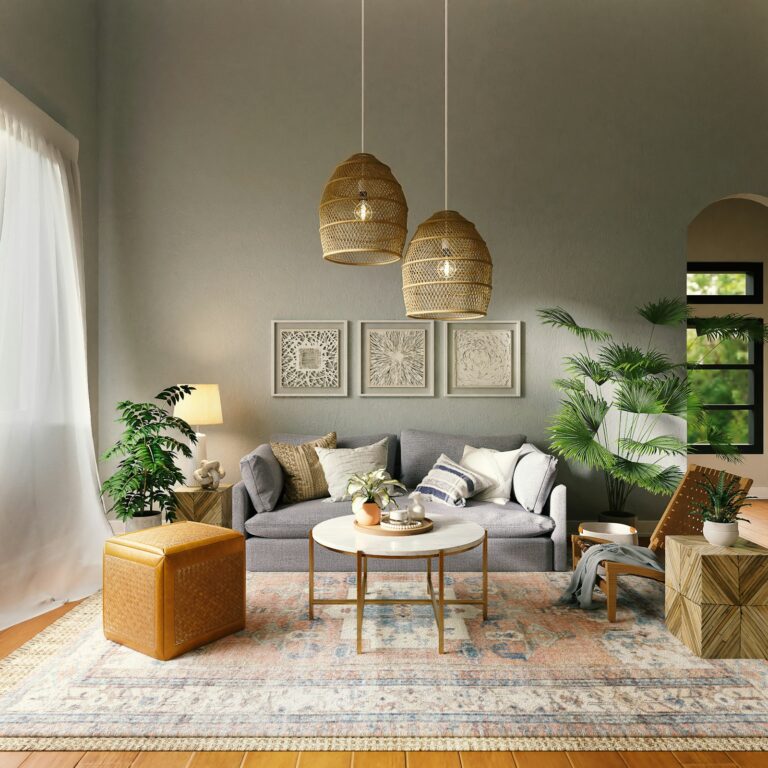
Photographing reclaimed wood furniture in actual rooms requires different choices. Therefore, plan the wider scene before composing the shot. The wood should anchor the image rather than disappear into the room. As a result, slightly de-cluttered context usually performs better than fully styled rooms — the wood needs visual breathing space.
Moreover, pair reclaimed wood with simple natural-fibre props. A linen throw, a brass lamp, a ceramic vase, or a small leafy plant all complement aged timber beautifully on camera. Avoid synthetic materials and bright colours, which fight the wood’s quiet authority. Restraint usually beats abundance in aged wood photography.
Camera Settings That Work Well
For close-up aged wood photography, a moderate aperture between f/4 and f/8 produces the best balance of sharpness and depth. Therefore, avoid extreme apertures unless intentionally seeking shallow or deep focus effects. ISO should stay low — 100 to 400 — to preserve the subtle tonal gradations in patina. As a result, the wood’s full character translates onto the final image.
Moreover, shoot in RAW whenever possible. Reclaimed wood has subtle colour variations that compress poorly in JPEG. Although RAW files are larger, the editing flexibility preserves nuance that JPEG often loses. Although smartphone photography works for casual shots, dedicated cameras with manual control produce the strongest aged wood photography results.
Editing Aged Wood Photography
Editing should enhance rather than fabricate character. Therefore, restraint matters. Slight contrast adjustments, gentle warmth boosts, and minor shadow lifting often suffice. Heavy filters or aggressive saturation undermine the natural authenticity of reclaimed timber. As a result, the most successful aged wood photography looks subtly enhanced rather than dramatically processed.
Moreover, sharpening should target wood grain specifically. Although global sharpening works for general subjects, masked sharpening preserves natural softness in surrounding context. Consequently, the grain pops while the wider scene stays naturally soft. Our piece on reclaimed wood furniture benefits covers the visual story of timber from a buyer perspective.
Frequently Asked Questions About Aged Wood Photography
Do I need a professional camera for aged wood photography?
Not strictly. Modern smartphones produce strong results for casual photography. However, dedicated cameras with manual control offer significantly more flexibility for portfolio-quality images.
Should I use flash for aged wood photography?
Generally no. Direct flash flattens grain and washes out patina. Soft natural daylight produces dramatically better results.
What time of day works best?
Morning and late afternoon — when daylight is warm and at low angles. Midday sun is harsh and produces unflattering reflections.
How can I photograph dark reclaimed wood without losing detail?
Add fill light from a reflector or a second small light source. Slight overexposure during shooting also helps preserve detail in dark grain.
Final Thoughts: Photography That Honours the Wood
Ultimately, aged wood photography is less about technique and more about respect for the subject. Reclaimed Indian timber has spent decades or centuries earning its character — the photographer’s job is to reveal that character without distorting it. With patient lighting, careful composition, and restrained editing, even modest cameras can produce images that genuinely honour the wood. And that respect, more than any specific gear or setting, is what separates evocative aged wood photography from generic product shots.