Reclaimed wood floating shelves bring craft and character to bare walls. Therefore, they deserve more thought than buyers usually give them. The shelf you mount above a sofa, beside a bed, or in a hallway shapes how the wall reads from across the room. Salvaged Indian sheesham, teak, and aged mango bring weight, grain, and quiet authority that flat-pack alternatives cannot match. In this guide, we walk through what makes reclaimed wood floating shelves different and how to choose ones that genuinely transform a room.
Why Reclaimed Wood Floating Shelves Outshine Modern Versions
Most modern floating shelves use particleboard wrapped in laminate. Therefore, they often start sagging or chipping within a few years. Reclaimed wood floating shelves, by contrast, are built from solid timber that has already lived through decades of seasonal humidity. As a result, they remain stable and beautiful for decades.
Additionally, the visible grain on a floating shelf carries the room. Therefore, a reclaimed wood shelf’s tight, dark growth rings, weathered edges, and small marks add character invisible on laminate alternatives. Although mass-produced shelves often look generic across thousands of homes, reclaimed wood floating shelves carry unique visual stories that elevate every wall they sit on.
Sizing Reclaimed Wood Floating Shelves
Floating shelf proportions matter for both function and visual impact. Therefore, plan dimensions deliberately. A typical accent shelf runs 60–90 cm long, 18–25 cm deep, and 30–50 mm thick. As a result, the shelf accommodates books, plants, or decor without crowding. Although thinner shelves look sleeker, the 30–50 mm thickness is where reclaimed wood character really shows.
Moreover, the shelf weight matters for mounting. Therefore, plan installation hardware that handles the actual weight of the shelf plus its intended load. Most reclaimed wood floating shelves weigh 3–8 kg before adding contents. For more on choosing reclaimed pieces well, see our reclaimed wood buying guide.
Mounting Reclaimed Wood Floating Shelves
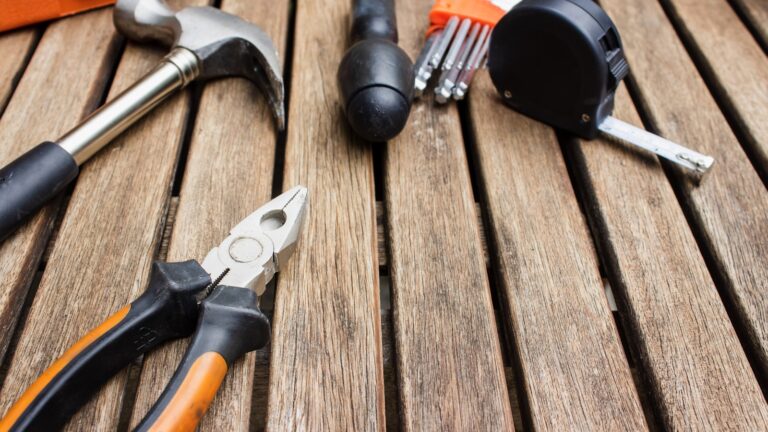
Floating shelf mounting hardware varies. Therefore, choose hardware that matches the wall type and shelf weight. Concealed steel rod brackets work for most reclaimed-wood shelves. The brackets fit into pre-drilled holes on the back edge of the shelf and screw into wall anchors or studs. As a result, the shelf appears to float without visible supports.
Moreover, drywall installations need quality wall anchors rated for at least 25–30 kg per anchor. Therefore, never rely on small plastic anchors for reclaimed wood floating shelves. Although DIY installation is possible, professional installation is worth considering for heavier shelves or structural-load applications.
The right floating shelf does not show its supports. It just makes the wall look like it has always been holding something beautiful.
Choosing Wood Species for Reclaimed Wood Floating Shelves
Reclaimed sheesham is the most common choice for floating shelves. Therefore, its dense grain holds heavy books and decor without bowing. Reclaimed teak comes in a close second — slightly more water-resistant for kitchen and bathroom shelves. Mango wood works for lighter decor shelves but performs less well under heavy book loads.
Moreover, the wood species shapes the visual mood. Therefore, sheesham brings deep brown weight to a wall. Teak adds golden warmth. Mango wood offers playful colour variation. For more on species selection, see our piece on mango wood vs sheesham vs teak.
Quick Tip: Always install reclaimed wood floating shelves into wall studs whenever possible. The shelf and contents combined often exceed 15 kg, which exceeds the rated capacity of most drywall anchors. A stud finder takes 30 seconds and saves the shelf from a slow droop over years.
Styling Reclaimed Wood Floating Shelves
The styling on a floating shelf shapes how the wall reads from across the room. Therefore, restraint matters. Two or three carefully chosen objects often beat ten randomly placed items. A leafy plant, a small framed photograph, and a single ceramic object are usually enough for a 60–90 cm shelf.
Moreover, layering objects of different heights creates visual interest. Therefore, mix tall plants with short books and medium-sized decorative objects. Although uniformity feels safer, gentle variation reads more lived-in. For inspiration, see our piece on sustainable home decor ideas.
Caring for Reclaimed Wood Floating Shelves
Floating shelves require minimal care. Generally, a soft cloth handles weekly dust. For sticky marks from plant water spills, a slightly damp cloth followed by an immediate dry wipe is enough. Avoid harsh chemical sprays, since they strip natural oils and dull the patina over time.
Once or twice a year, apply a thin coat of beeswax or hard-wax oil to refresh the finish. Although reclaimed timber is highly stable, the constant exposure to room dust and air calls for regular care. Our reclaimed wood furniture care guide covers seasonal routines.
Frequently Asked Questions About Reclaimed Wood Floating Shelves
How much weight can reclaimed wood floating shelves hold?
Properly installed reclaimed wood floating shelves with concealed steel-rod brackets routinely hold 15–25 kg each. Stud-mounted shelves can hold even more.
Will the shelf bow over time?
Rarely. Solid sheesham and teak at 30 mm or thicker resist bowing for decades. Thinner shelves under heavy load may bow gradually.
Can I install floating shelves in a kitchen or bathroom?
Yes, especially with reclaimed teak. Apply hard-wax oil for moisture resistance, and avoid placing shelves directly above sinks or stoves.
What height should floating shelves sit at?
Roughly 30–45 cm above a sofa or bed for accent display. Approximately 60 cm above kitchen counters for functional storage.
Final Thoughts: Walls That Hold Beautiful Things
Ultimately, reclaimed wood floating shelves are not just storage — they are quiet visual anchors for the walls of your home. The right shelf transforms an empty wall into a small architectural feature without overwhelming the room. Salvaged Indian timber, with its weight and quiet character, is rarely the wrong answer for a piece designed to elevate everything sitting on top of it. Few small home decisions repay themselves so visibly across years of daily appreciation.