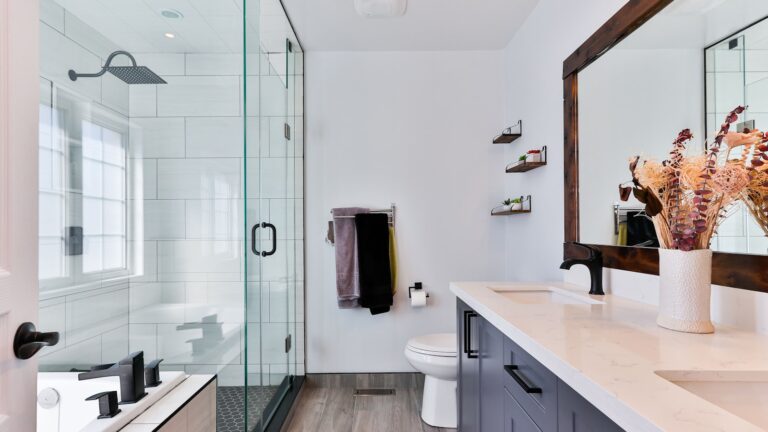
Reclaimed wood mirrors are one of the quietest ways to bring craft history into a home. The frame around a mirror is rarely the point, and yet, when made from salvaged Indian timber, it transforms an ordinary reflection into something worth pausing for. In this guide, we walk through what makes reclaimed wood mirrors special, where the timber typically comes from, how to choose one well, and how to style them across the home for lasting visual calm.
Why Reclaimed Wood Mirrors Feel Different
Most mirror frames are made from MDF, plastic moulding, or thin veneer. Therefore, they often look generic across thousands of homes. Reclaimed wood mirrors, on the other hand, carry visible age — old nail holes, weathered edges, faded paint, and tight old-growth grain. As a result, every reclaimed mirror is genuinely unique.
Additionally, the weight and depth of solid timber give the frame a presence that thinner alternatives lack. Although a wide MDF frame might look impressive in a showroom photo, it rarely holds up in person the way a reclaimed teak frame does. Consequently, reclaimed wood mirrors anchor a room visually in a way most decorative pieces cannot.
Where the Timber for Reclaimed Wood Mirrors Comes From
Most reclaimed wood mirrors built in India use timber salvaged from old havelis, fishing boats, doors, and barn beams. Therefore, the frames often have already lived a previous life with a story attached. Old door frames are particularly prized because they typically come pre-shaped to a rectangular profile, which simplifies frame construction.
Moreover, ship plank mirrors — frames built from old fishing-boat hull boards — bring distinctive water-staining and faded paint that no other reclaimed source produces. Although availability is limited, these mirrors carry some of the richest character available. For more on Indian salvage sources, see our piece on where reclaimed wood comes from.
Choosing the Right Reclaimed Wood Mirror
Size matters more than buyers realise. A reclaimed wood mirror should match the visual weight of the wall behind it. Therefore, a 60 cm mirror often looks lost on a large wall, while a 120 cm version brings appropriate presence. Although smaller mirrors work in entryways and powder rooms, larger statement mirrors usually anchor primary spaces best.
Frame depth also influences how the mirror reads. Thin frames recede visually, while wider salvaged-timber frames make a statement. For most reclaimed-wood interiors, a 6–10 cm wide frame strikes the right balance — present enough to declare itself, restrained enough to not dominate the room.
A reclaimed mirror does not just reflect the room. It reflects the century the wood lived through.
Indian Craftsmanship and Reclaimed Wood Mirrors
Most reclaimed wood mirrors come from small workshops in Jodhpur, Saharanpur, and Kerala. Therefore, the construction reflects regional craft traditions. Jodhpur mirrors often feature iron banding and brass studs. Saharanpur tends toward floral hand-carved details. Kerala-style mirrors lean rustic, with thicker boards and visible saw marks.
Additionally, hand-built frames almost always outlast factory-made ones. Mortise-and-tenon corners, dovetail joinery, and brass-pin fixings keep the mirror tight against the wall for decades. Although machine-cut frames look cleaner, hand-built ones gain personality with age. Our piece on Indian hand-carved furniture covers similar craftsmanship signatures.
Styling Reclaimed Wood Mirrors at Home
Hallways are the most underrated location for reclaimed wood mirrors. Therefore, a 90–120 cm reclaimed mirror at the end of a hallway visually doubles the space. Living rooms benefit from larger statement mirrors above fireplaces or behind sofas. Bedrooms, bathrooms, and dressing areas welcome smaller sizes for daily use.
Moreover, hanging height matters. Reclaimed wood mirrors look best when the centre of the mirror sits roughly at eye level for the average household member — typically 145–155 cm above the floor. Although designers sometimes hang mirrors higher for visual drama, eye-level placement is more functional and less fatiguing across years of daily use.
Quick Tip: Lean a tall reclaimed wood mirror against a bedroom or hallway wall instead of mounting it. Leaning mirrors feel more relaxed than mounted ones and let the salvaged frame breathe visually. The look has anchored relaxed-luxury Indian interiors for decades.
Caring for Reclaimed Wood Mirrors
Reclaimed wood mirrors are remarkably low-maintenance. Generally, a soft cloth handles weekly dust on the frame. Once or twice a year, apply a thin coat of beeswax or hard-wax oil to refresh the wood. Avoid spraying glass cleaner directly on the mirror — overspray can settle into the wood and dull the patina.
Instead, spray the cleaner onto a microfibre cloth first, then wipe the glass. This protects the timber and keeps the frame’s original character intact. For deeper care across seasons, our reclaimed wood furniture care guide walks through general routines that apply to mirrors too.
Frequently Asked Questions About Reclaimed Wood Mirrors
Are reclaimed wood mirrors more expensive than modern frames?
Usually 30–80% more upfront. However, because reclaimed mirrors last decades and gain character with age, the cost-per-year is often lower than replacing trendy modern frames every few years.
Will the wood crack over time?
Rarely. Reclaimed timber has already cycled through decades of seasonal humidity. Major movement is unlikely, although fine surface checks may appear over years.
Can large reclaimed wood mirrors be safely wall-mounted?
Yes, with proper anchoring into wall studs or solid masonry. Larger mirrors need French-cleat or heavy-duty hangers, since the timber is heavier than MDF alternatives.
Should I buy reclaimed wood mirrors online or in person?
In person, ideally. The character of a reclaimed mirror is hard to capture in product photos. If buying online, ask for at least four photos including back-of-frame and corner-detail shots.
Final Thoughts: A Reflection Worth Pausing For
Ultimately, reclaimed wood mirrors are small architectural objects rather than disposable accessories. The frame remembers the fishing boat or haveli it came from, while the glass quietly reflects whatever is happening in the room today. That layering of past and present is something no factory-made mirror can offer — and it is precisely why a single well-chosen reclaimed mirror can transform an ordinary wall into the most quietly considered surface in the house.