A reclaimed wood music room grounds your practice in natural acoustics and warm material character. Therefore, the room you make music in shapes how each session actually sounds and feels. Salvaged Indian sheesham, teak, and aged mango bring tactile depth, sound-absorbing density, and visual calm that synthetic materials cannot match. In this guide, we walk through how to design a reclaimed wood music room that supports daily musical life rather than fights it.
Why a Reclaimed Wood Music Room Sounds Different
Old wood has unique acoustic properties. Therefore, a reclaimed wood music room absorbs sound differently than synthetic alternatives. Heavy reclaimed timber dampens unwanted reflections naturally. As a result, the room’s acoustics feel warmer and more controlled even before purpose-built acoustic treatment is added. Although professional studios still need dedicated acoustic panels, reclaimed wood gives the room a genuinely musical baseline.
Additionally, reclaimed wood off-gasses very little compared to engineered alternatives. Therefore, the air around your instruments stays measurably cleaner. Combined with natural-fibre rugs and brass hardware, a reclaimed wood music room creates one of the cleanest possible practice environments. For more on the air-quality angle, see our piece on reclaimed wood off-gassing.
Choosing the Right Room or Corner
Most homes do not have a dedicated music room. Therefore, even a small corner can work as a reclaimed wood music room with the right anchor pieces. As a result, plan based on where you actually want to practice — a quiet corner with natural light is usually better than a soundproofed basement that feels isolating.
Moreover, irregular room shapes acoustically outperform perfect rectangles. Therefore, an awkward corner or angled alcove may be a better music space than a square room. Although professional studios design acoustically perfect spaces from scratch, home music rooms benefit from working with existing irregularities rather than against them.
The Anchor: Reclaimed Wood Storage and Seating
Every reclaimed wood music room benefits from one solid wooden anchor. Therefore, plan storage and seating as the first investment. A reclaimed-wood instrument cabinet, a low bench for guitar practice, and open shelving for sheet music establish the visual and functional foundation. As a result, the room serves daily practice rather than just looking musical.
Moreover, hand-cut mortise-and-tenon joinery ensures the anchor pieces stay silent across years. Cheap, screwed-together alternatives sometimes creak under shifting weight, which interrupts musical concentration. For more on selecting reclaimed pieces, see our reclaimed wood buying guide.
Old wood does not interrupt the music. It steadies the room around the notes.
Lighting a Reclaimed Wood Music Room
Lighting profoundly shapes how a music room feels. Therefore, layered, warm light works best. Combine natural daylight with one focused 2700K reading lamp at the music stand and one warm floor lamp for evening practice. Cool blue-white light tires the eyes faster — exactly the opposite of what extended music practice sessions want.
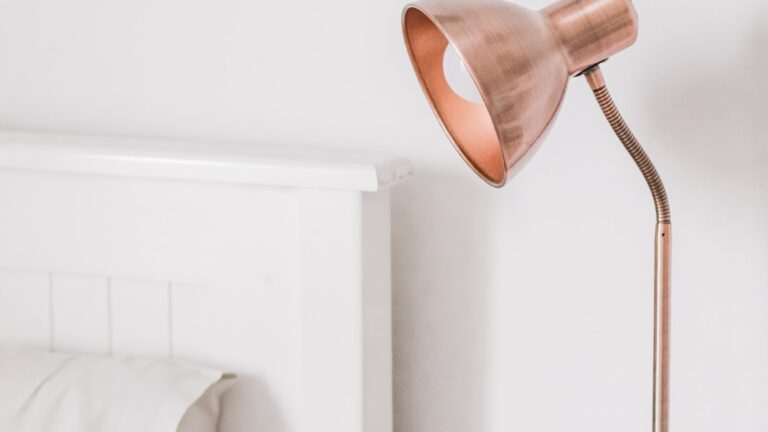
Moreover, brass or aged-iron lamps complement reclaimed timber far better than chrome or matte black. Although matte black is currently fashionable, it tends to drain warmth from the room. Brass and aged iron echo the iron banding common in Jodhpur workshop furniture, which keeps the visual palette coherent.
Quick Tip: Hang one large wool dhurrie on a wall of any reclaimed wood music room. The wool absorbs reflective sound waves while adding visual softness, dramatically improving room acoustics for free.
Layering Natural Materials
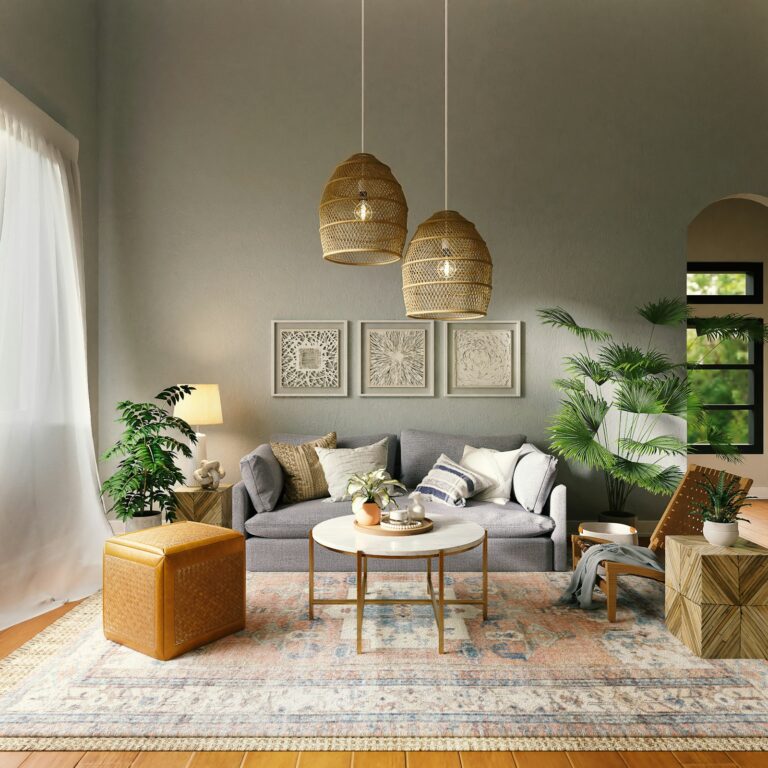
Reclaimed wood pairs beautifully with natural-fibre rugs, woollen wall hangings, and ceramic objects. Therefore, layer materials intentionally throughout the music room. A wool dhurrie underfoot dampens floor sound. A linen throw on the practice bench adds tactile comfort. Khadi cushions complete the room without overwhelming.
Avoid synthetic blends, which can disrupt the calm of a reclaimed wood music room. For more on natural fabric pairings, see our piece on sustainable Indian textiles. Two or three coordinated textiles usually suffice — more often clutters the visual field.
Instrument Storage and Care
Reclaimed wood instrument cabinets protect instruments from humidity and dust. Therefore, plan dedicated storage for any guitar, violin, or other temperature-sensitive instrument. A simple sheesham wall cabinet with cane-front doors allows ventilation while protecting from accidental knocks. As a result, instruments stay tuned longer and last decades more.
Moreover, sheet music storage benefits from open reclaimed-wood shelving. Therefore, current pieces stay accessible while archived music sits below. Although digital sheet music is now common, physical sheets remain useful and deserve thoughtful storage. Our piece on reclaimed wood bookshelves covers similar shelving principles.
Frequently Asked Questions About a Reclaimed Wood Music Room
How small can a reclaimed wood music room be?
Even a 2 m × 2 m corner works for solo practice. The size matters less than the materials and acoustics.
Can the music room share with another function?
Yes. Many music rooms share with reading nooks, meditation corners, or home offices. The wooden anchor pieces keep the music atmosphere intact.
Will reclaimed wood damage my instruments?
No. Reclaimed timber is dimensionally stable and naturally low in residual moisture. It actually protects instruments better than synthetic furniture would.
Do I need acoustic treatment?
For casual home practice, no. Reclaimed wood and natural-fibre rugs provide enough acoustic baseline. Recording or serious practice may benefit from added panels.
Final Thoughts: A Room That Holds the Music
Ultimately, a reclaimed wood music room is more than a practice space. It is a quiet architectural commitment to the daily ritual of making music. Each material choice — instrument cabinet, lamp, rug, cushion — either supports the practice or fights it. Salvaged Indian timber, with its weight and quiet character, sits at the heart of that support. The music will change across years, the instruments may rotate, but the room will still be holding everything together — slightly more beautiful for the practice it has hosted.