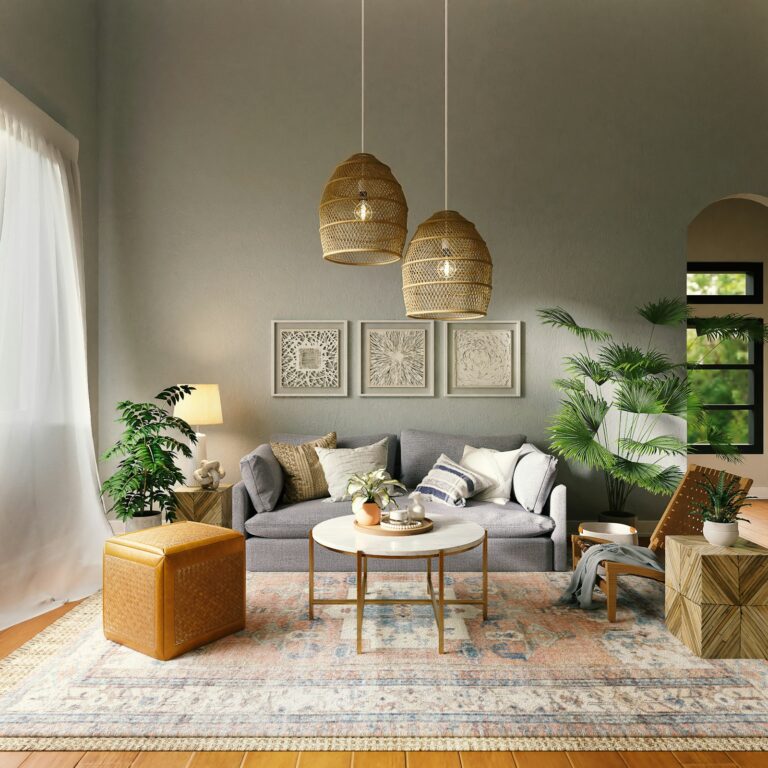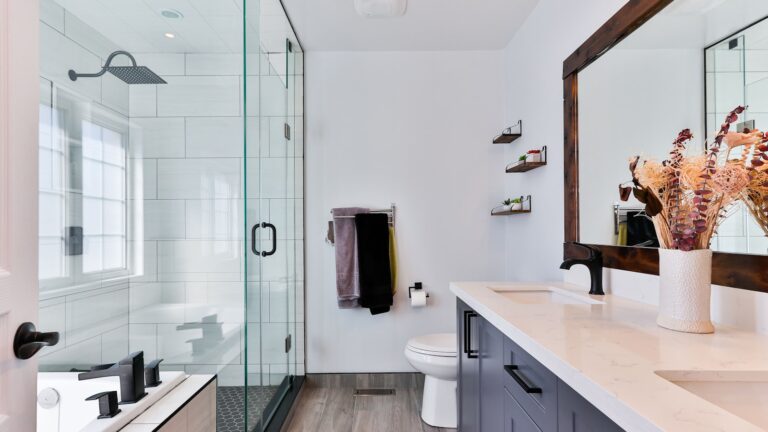
The slow renovation movement is one of the quietest design philosophies emerging in Indian homes today. Therefore, it deserves more attention than it usually receives. The phrase sounds like a marketing term, but the practice runs deeper — slow renovation is about choosing each material decision carefully across years rather than gut-renovating in a few weeks. In this guide, we walk through what the slow renovation movement actually means, why it pairs naturally with reclaimed wood, and how Indian homes can adopt it gradually.
What the Slow Renovation Movement Actually Means
The slow renovation movement is the practice of upgrading a home gradually, with deliberate material choices and a long-term mindset. Therefore, it is the opposite of fast-renovation culture, which gut-replaces entire rooms over weekends. As a result, homes designed slowly tend to feel more thoughtful, more layered, and more honest than fast-renovated equivalents.
Moreover, slow renovation often leans toward natural, durable materials. Reclaimed wood, brass, terracotta, lime plaster, and natural-fibre textiles all reward patient buyers who choose carefully. Although fast-renovation suits buyers with tight schedules, slow renovation tends to produce more enduring results across decades. For more on natural-material design, see our piece on biophilic design.
Why Slow Renovation Pairs Naturally With Reclaimed Wood
Reclaimed wood and the slow renovation movement share a fundamental philosophy. Therefore, both reward patience over speed. Salvaged Indian timber typically arrives in irregular sizes, with unique character and unpredictable availability. As a result, planning around reclaimed materials inevitably slows the renovation process — exactly the opposite of standardised flat-pack alternatives.
Moreover, both philosophies treat the home as a long-term project rather than a quick refresh. Reclaimed timber is built to last 50 years or more. Slow renovation thinks in 10 to 30 year timeframes. Consequently, the two approaches reinforce each other beautifully. Choosing reclaimed wood often slows renovation naturally — and that is a feature, not a flaw.
How to Begin a Slow Renovation
Slow renovation begins with one room rather than the whole house. Therefore, pick the most-used room first — usually the dining room, living room, or kitchen — and focus on it completely before moving on. As a result, each renovation phase produces a fully resolved space rather than a half-done house.
Moreover, slow renovation prioritises the largest pieces first. Therefore, dining tables, sofas, beds, and bookshelves come before decorative accessories. Once the major pieces anchor the room, smaller objects can fill in over months. This approach prevents the common mistake of buying decorative items before the room’s basic structure is settled.
Slow renovation is not slowness for its own sake. It is the willingness to let a room become itself instead of forcing it.
Material Choices in the Slow Renovation Movement
Slow renovation favours materials that age beautifully. Therefore, reclaimed wood, brass, terracotta, lime plaster, hand-loomed cotton, wool, jute, stone, and natural leather all fit the philosophy. As a result, the home’s overall material palette shifts toward biophilic, sensory, and durable choices over plastic, laminate, and synthetic blends.
Moreover, the slow renovation movement often rejects trend-driven buying. Therefore, classic proportions and timeless silhouettes outweigh seasonal aesthetics. Although fashion-driven design can produce striking rooms in the short term, those rooms often feel dated within a decade. Slow renovation aims for rooms that look better at twenty years old than at five. For more on related material decisions, see our piece on sustainable home decor ideas.
Quick Tip: Photograph any room you plan to renovate, then wait two weeks before buying anything. The slow renovation movement starts with patience, and the photographs often reveal what the room actually needs versus what felt urgent in the first reaction.
Slow Renovation Movement Budgeting
Slow renovation can save money over time. Therefore, the budget compares well against fast-renovation alternatives across decades. A reclaimed-wood dining table costs more upfront than a flat-pack equivalent but lasts ten times longer. As a result, the cost-per-year of use is often dramatically lower despite the higher initial outlay.
Moreover, slow renovation eliminates the cost of repeat replacement. Therefore, the household’s total furniture spending declines once enough heirloom-quality pieces accumulate. Although the early years of slow renovation can feel financially demanding, the later years bring genuine savings. Our piece on hidden cost of fast furniture covers the comparison in detail.
Slow Renovation in Indian Climate Realities
Indian climates reward slow material choices. Therefore, reclaimed wood, lime plaster, terracotta, and natural fibres all perform better in monsoon humidity and summer heat than synthetic alternatives. As a result, slow renovation in India is not just philosophical — it produces measurably more comfortable rooms.
Moreover, the slow renovation movement encourages working with seasons. Therefore, plan installation during dry months, and let materials acclimatise before installation. Although this slows the timeline further, the long-term result is better. Wood does not warp, plaster does not crack, and finishes cure properly. Consequently, patient pacing yields lasting quality.
Final Thoughts: A Quiet Way to Build a Home
Ultimately, the slow renovation movement is not about being slow. It is about being deliberate. Each material chosen, each piece purchased, each room finished reflects intention rather than impulse. Reclaimed wood, with its decades of patient ageing, fits naturally into this rhythm. Together, the philosophy and the material build homes that quietly grow more beautiful, more comfortable, and more honest with each passing year.