Lighting for reclaimed wood deserves the same attention as the wood itself. However, most homeowners pick lamps and bulbs almost randomly. Today we will walk through how the right light reveals the depth of a reclaimed beam and the wrong light flattens it. Furthermore, lighting choices shape how your patina ages over decades. By the end of this guide, you will know exactly which bulbs, fixtures, and placements bring reclaimed wood fully alive.
Why Lighting for Reclaimed Wood Matters
Lighting for reclaimed wood reveals or hides the grain entirely. Indeed, harsh white light flattens the surface and erases the patina. Furthermore, warm yellow light brings out depth and amber tones. Therefore, the bulb temperature you choose determines how the wood reads visually each evening.
Beyond bulbs, fixture placement matters greatly. Specifically, light from above flattens texture. Side lighting reveals it dramatically. Moreover, pools of warm lamp light create the soft glow that reclaimed wood was always meant for. Notably, every old sheesham table looks better in candlelit conditions.
The Hidden Story of Colour Temperature
Bulb colour temperature measures in Kelvin and tells you the warmth. Specifically, 2700K produces the warm amber glow that reclaimed wood loves. Conversely, 4000K and above produce cold white light that flattens grain. Furthermore, anything above 5000K reads as harsh and unflattering.
Most reclaimed Indian furniture pairs beautifully with 2200K to 2700K bulbs. However, these warmer bulbs cost more than standard cool whites. The price difference is small but the visual difference is enormous. Indeed, swapping a single bulb often transforms how a room reads. Test before committing.
A reclaimed beam in cool light is just wood. A reclaimed beam in warm light is a memory.
Fixtures That Suit Reclaimed Wood
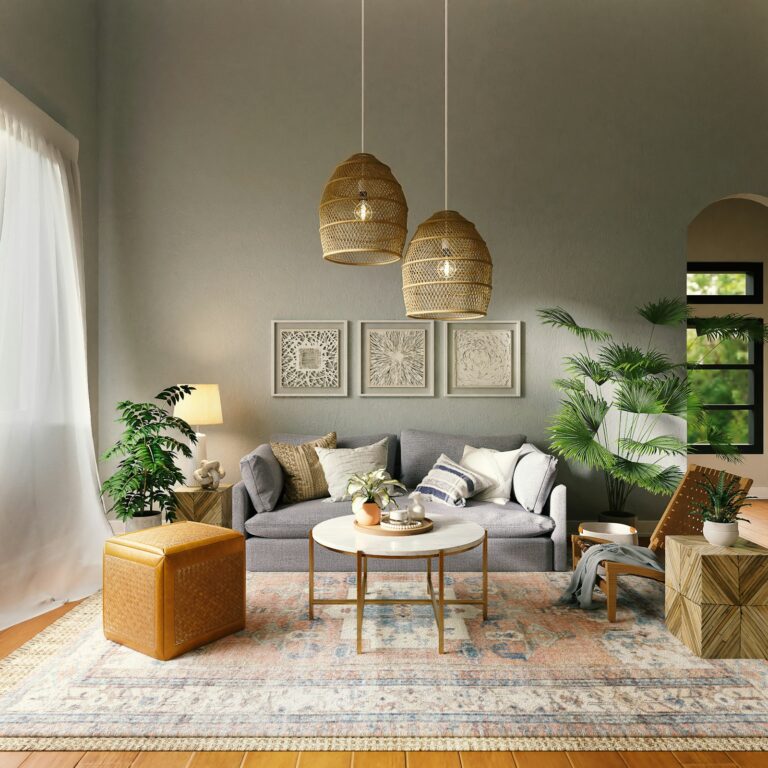
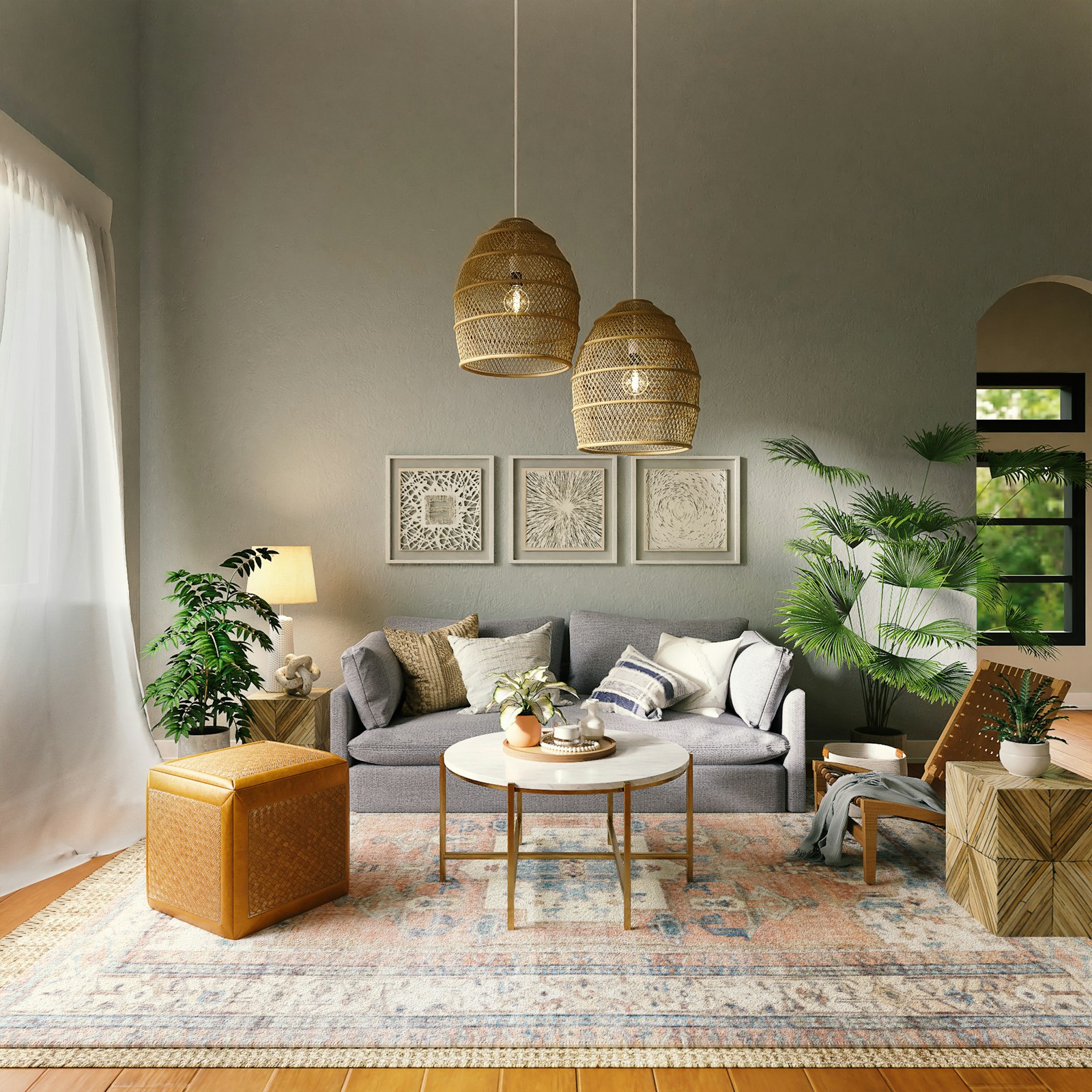
Brass and aged metal fixtures complement reclaimed wood beautifully. Specifically, a hand-forged brass pendant over a sheesham table looks intentional and warm. Furthermore, table lamps with cotton or linen shades soften the light and add texture. Therefore, the fixture material matters as much as the bulb.
Avoid chrome and shiny modern finishes near reclaimed pieces. Moreover, bright LED panels feel out of place against weathered timber. Notably, candle wall sconces produce the most flattering light of all. Old-growth wood was often crafted in pre-electric eras. The aesthetic still suits flame-style light best.
undefined
Jodhpuri brass workshops produce pendant lights and lamp bases that match reclaimed furniture. Specifically, hand-cast brass pieces share the patina trajectory of old wood. Furthermore, the metals age together gracefully across decades. Therefore, complete Indian-craft interiors include both the wood and the light.
Buying lighting from the same craft tradition keeps the entire room visually coherent. Moreover, hand-cut brass lampshades create dappled light patterns that no factory product can match. Notably, the visual rhythm between wood patina and metal patina becomes almost musical.
Placement Strategies for Reclaimed Furniture
Avoid placing reclaimed wood in direct strong sunlight all day. Specifically, harsh light bleaches the surface unevenly. Furthermore, indirect daylight deepens patina without bleaching. Therefore, position pieces to catch soft morning light when possible.
Pendant lights work best at 60 to 75 cm above a dining table. Moreover, low-hanging fixtures create intimacy. Notably, multiple smaller light sources outperform a single bright overhead. Indeed, layering different light heights reveals reclaimed wood from multiple angles. Each angle shows different grain.
How to Apply This — A Practical Guide
- Choose 2700K bulbs everywhere. Warmth flatters reclaimed wood reliably.
- Add multiple light sources. Furthermore, layering reveals texture from many angles.
- Use cotton or linen lampshades. Hence, the light scatters softly across the wood.
- Avoid harsh overhead panels. They flatten grain visually and emotionally.
- Position pendants 60-75 cm above tables. Intimacy improves dining experiences.
- Keep direct sunlight to a minimum. Notably, indirect light deepens patina better.
- Match brass fixtures with brass hardware. Indeed, metal coherence ties rooms together.
Quick Questions
Are LED bulbs okay for reclaimed wood?
Yes, if you choose warm 2700K versions. Furthermore, modern warm-white LEDs match traditional incandescents closely. Avoid cool whites entirely. Read packaging carefully.
Do candles damage reclaimed wood surfaces?
Wax drips can stain. Yet placing candles in proper holders prevents most issues. Moreover, the light effect rewards small precautions. Beauty justifies care.
How bright should a dining room be?
Dim to medium intensity works best. Specifically, 200 to 400 lumens at table level suffices. Brighter feels clinical. Softer feels intimate.
Can I retrofit existing fixtures?
Often yes. Furthermore, bulb swaps cost almost nothing. Test 2700K first. The change feels dramatic immediately.
Further Reading on Reclaimed Wood
Furthermore, several other journal pieces extend this story. Moreover, our category archives offer different angles on reclaimed living. Meanwhile, the buying guides simplify your next purchase.
- Where Reclaimed Wood Really Comes From
- How to Spot Fake Reclaimed Wood
- Sheesham, Mango or Teak buying guide
- The Slow Furniture Movement
- 10-Year Reclaimed Wood Care Guide
Additionally, the editorial images come from Unsplash.