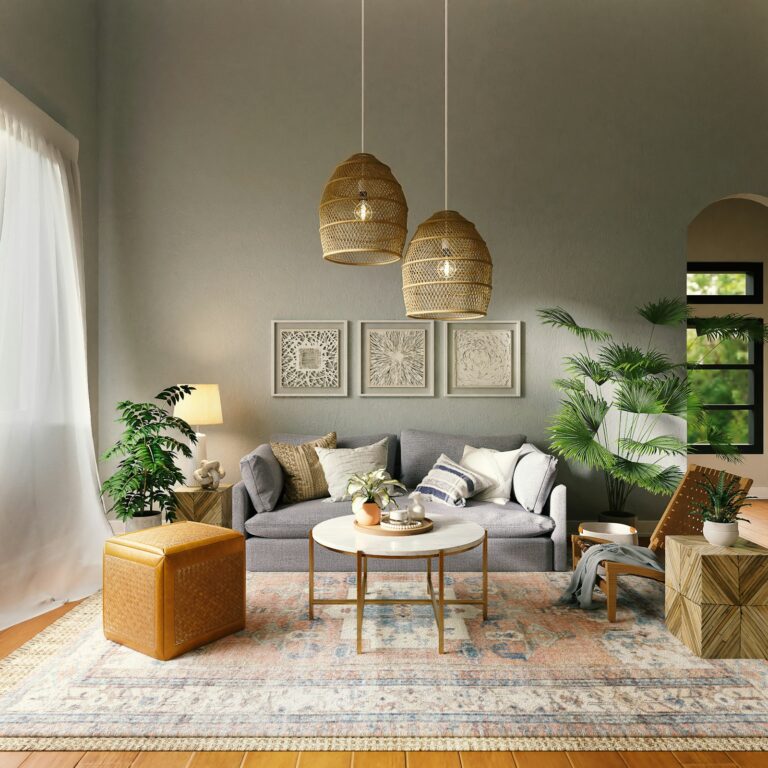
A reclaimed wood reading room scales beyond the small reading nook into a full domestic refuge. Therefore, it is one of the most considered design decisions any home can make. The room you read in shapes how often you actually read, and the materials around you shape how restful those reading hours feel. Salvaged Indian sheesham, teak, and aged mango bring warmth, weight, and a sense of permanence that flat-pack alternatives cannot match. In this guide, we walk through how to design a reclaimed wood reading room — not as a corner, but as a full architectural decision.
Why a Reclaimed Wood Reading Room Feels Different
Reclaimed timber carries texture, grain, and small marks that synthetic surfaces never replicate. Therefore, the books you hold, the chair you sit in, the floor beneath your feet, and the walls around you all sit inside a tactile field that feels older and quieter than ordinary rooms. As a result, the reading session itself begins from a calmer baseline.
Additionally, reclaimed wood quietly dampens sound. Heavy timber absorbs ambient noise. Old grain catches the eye in calming ways rather than busy ones. Although these effects are individually small, they accumulate across hours of reading. Consequently, many readers report longer focus sessions in a reclaimed wood reading room than in identical-sized spaces furnished with flat-pack alternatives.
The Anchor Pieces: Bookshelves, Chair, and Desk
Every reclaimed wood reading room benefits from three solid wooden anchors. Therefore, plan around floor-to-ceiling bookshelves, a substantial reading chair, and a small writing desk. As a result, the room serves both reading and writing — the two activities that often deserve dedicated space. Although smaller rooms can compromise on one anchor, all three together create the strongest reading environment.
Moreover, hand-cut mortise-and-tenon joinery ensures the anchors stay silent across years. Cheap, screwed-together alternatives sometimes creak under daily use, which breaks reading concentration. For more on selecting reclaimed pieces, see our piece on reclaimed wood bookshelves.
Lighting a Reclaimed Wood Reading Room
Reading lighting differs from ambient lighting. Therefore, layered light works best. Combine natural daylight with one focused 2700K reading lamp at the chair, plus one warm floor lamp for evening atmosphere, and one shelf-mounted picture light for the bookshelves. As a result, the room handles morning, afternoon, and evening reading without strain.
Brass or aged-iron lamps complement reclaimed timber far better than chrome or matte black. Although matte black is currently fashionable, it tends to drain warmth from the room. Brass and aged iron echo the iron banding common in Jodhpur workshop furniture, which keeps the visual palette coherent.
A reading room is not a luxury. It is a quiet declaration that books still deserve a room of their own.
The Reading Chair: The Heart of the Room
The reading chair anchors the entire room emotionally. Therefore, invest more here than anywhere else in the reading-room budget. A reclaimed-wood frame chair with deep cushions, properly proportioned arms, and a high back supports long reading sessions without fatigue. Although smaller chairs work for casual reading, dedicated reading rooms benefit from chairs that invite hours rather than minutes.
Moreover, place the chair within reach of one bookshelf and one side table. Therefore, the reader can grab the next book and place a tea cup down without standing up. As a result, the room supports continuous reading rather than constant interruption — exactly what dedicated reading rooms are for.
Quick Tip: Add a small framed poem, quote, or printed page on one wall of any reclaimed wood reading room. The text becomes a small thinking-piece during pauses between books. Reclaimed wood frames around modest text often outshine elaborate art in dedicated reading rooms.
Designing the Walls and Surfaces
Walls in a reading room work best when they recede visually. Therefore, soft white, oat, sage, or warm grey paint colours pair beautifully with reclaimed-wood elements without competing. Avoid bright accent walls — visual noise reduces reading depth more than most readers realise.
Moreover, consider one feature wall using reclaimed wood cladding. The cladding adds dramatic character without overwhelming the room. For more on this approach, see our piece on reclaimed wood wall cladding.
Layering Natural Materials
Reclaimed wood pairs beautifully with natural-fibre cushions, woollen throws, and handloom cotton blankets. Therefore, layer textiles intentionally rather than randomly. A wool dhurrie underfoot dampens sound. A linen throw on the chair adds tactile comfort. Khadi cushions complete the room without overwhelming.
Avoid synthetic blends, which can disrupt the calm of a reclaimed wood reading room. For more on natural fabric pairings, see our piece on sustainable Indian textiles. Two or three coordinated textiles usually suffice — more often clutters the visual field.
Final Thoughts: A Room That Calls You Back
Ultimately, a reclaimed wood reading room is more than a design decision. It is a quiet declaration that books, quiet hours, and slow attention still deserve a dedicated room. Each material choice — bookshelf, chair, lamp, cushion, rug — either pulls you toward the room on quiet afternoons or fails to. When the reading room is designed carefully, you find yourself in it more often than expected. And that, more than any single design feature, is what marks a successful reading room.