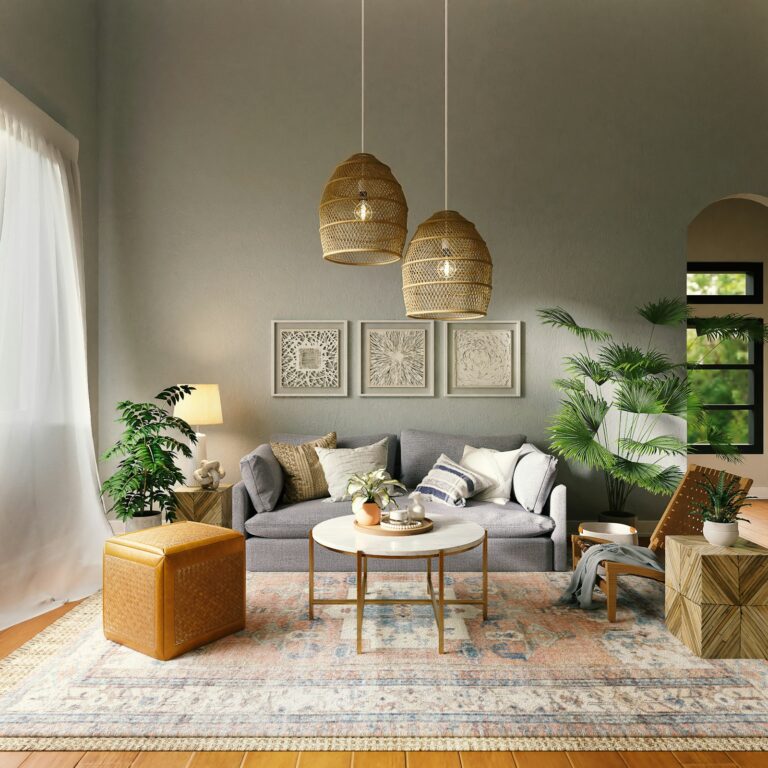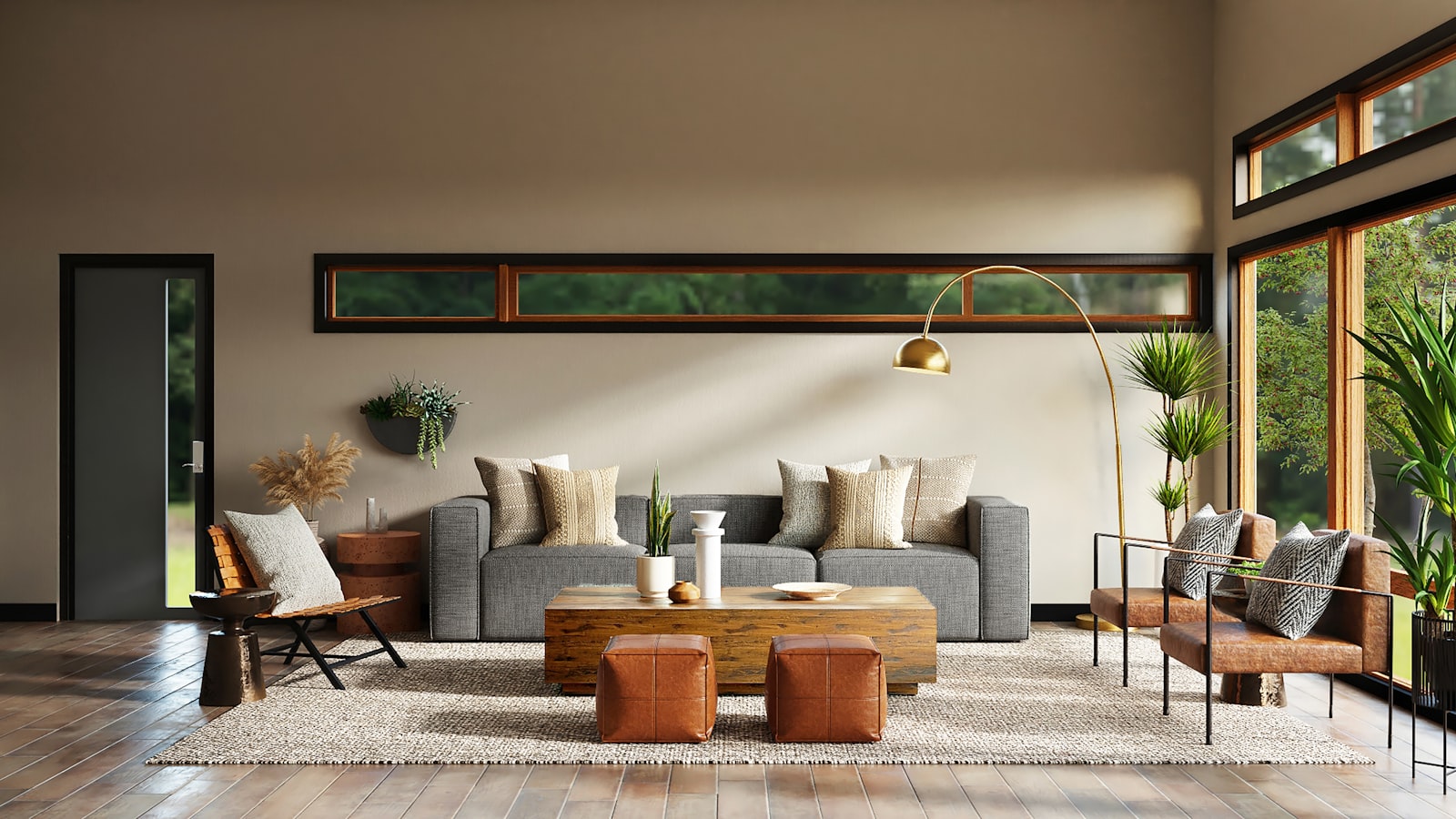
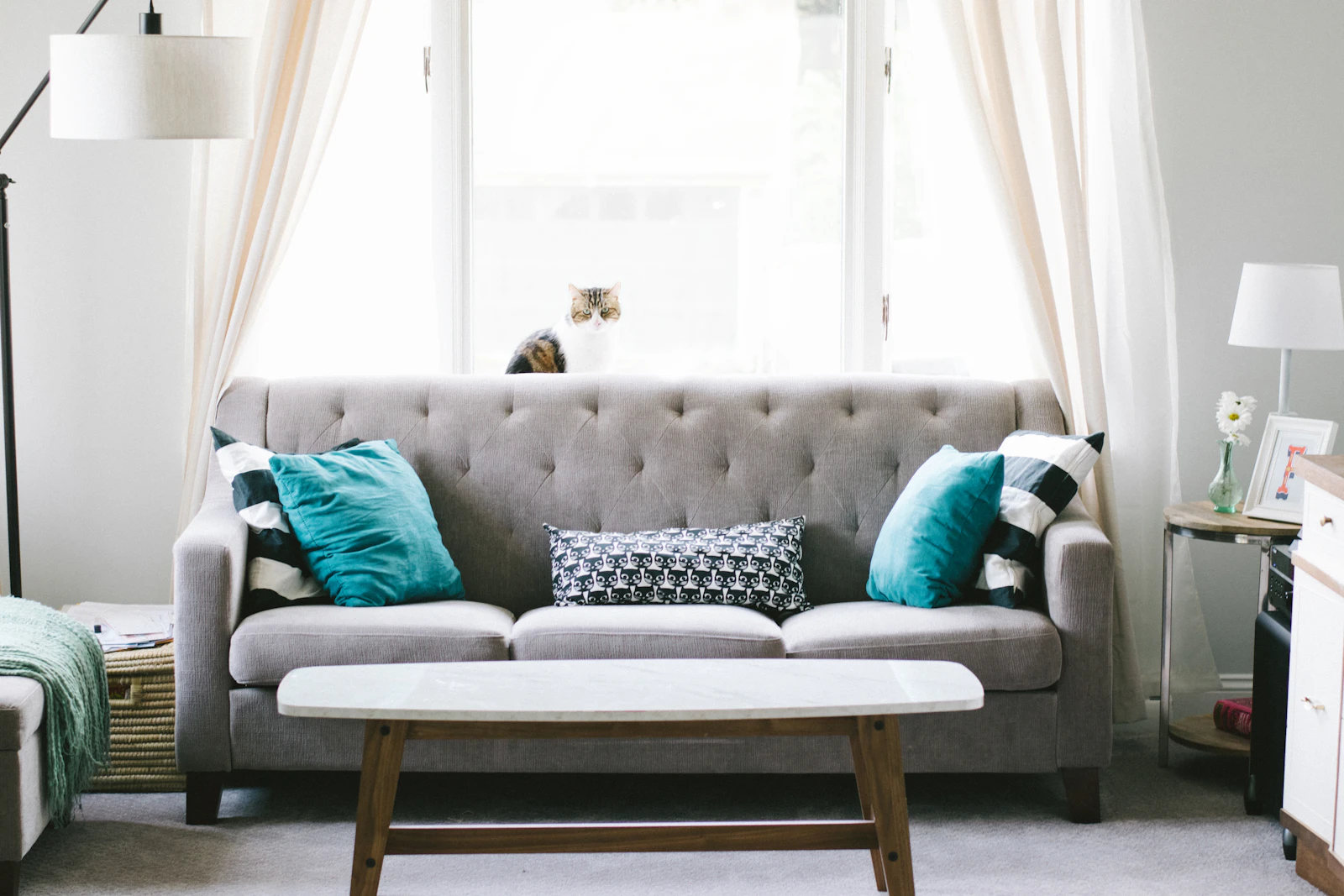
A 480-square-foot studio in central Mumbai. However, a couple in their late twenties live there with a cat. They had assumed for years that “real” reclaimed wood furniture was for spacious houses with high ceilings, not for tight urban apartments. Also, then they found a small Jodhpuri reclaimed sheesham console — just 90 centimetres long — and used it as a writing desk along the longest wall. Within a week the entire apartment felt different. Moreover, the cat slept on it. The plant on top of it grew faster. Furthermore, the two of them stopped trying to leave on weekends. This is what small-space design with reclaimed wood does. In fact, it changes the gravitational centre of a small home in a way that no amount of decorating cleverness can match.

Why Reclaimed Wood Works So Well in Small Spaces
However, small-space design has a structural problem: every object competes for attention because there is nowhere for the eye to rest. Indeed, add too many pieces and the room feels chaotic. Add too few and it feels sterile. Additionally, most modern small-space advice tries to solve this with multifunctional flat-pack furniture — cleverly designed pieces that fold, slide, or transform. The result is technically efficient but visually exhausting. Meanwhile, every surface is screaming “I am also a bed” or “I am also a desk.”
Reclaimed wood works in small spaces because it solves the visual problem in the opposite direction. Notably, a single small reclaimed sheesham piece carries enough character to anchor a whole room. The room organises around it visually. Crucially, you don’t need a second statement piece. You don’t need accent colours, oversized art, or busy textiles. However, the reclaimed piece does the work that five other design moves would have to do in a small space without it. It also does this while supporting the larger ecological argument: the world loses about 15 billion trees every year, and small-space living is more sustainable to begin with. Also, combining the two is one of the most aligned design decisions an urban household can make.
The Hidden Story of Why a Small Reclaimed Piece Anchors a Big Feeling
As a result, reclaimed wood carries visible time. Moreover, knots, nail holes, sun-bleached patches, hand-hewn edges — all of it gives the wood a depth that the eye instinctively recognises as “real” rather than “made.” In a small room, that depth functions like a heavy anchor. The eye finds the reclaimed piece, settles, and uses it as the visual reference point for the whole space. Furthermore, once that anchor exists, every other object in the room can afford to be simpler, quieter, less demanding.
This is also why reclaimed wood works particularly well with the muted, restrained palettes that small-space design tends to favour. In fact, cream walls, off-white linens, soft natural light, a single reclaimed piece in dark sheesham — the room reads as calm, intentional, and grown-up without trying. Compare that to the same small room with a fast-furniture lookalike: the same colour palette, the same proportions, but the room never quite settles because there is no anchor object holding it down.
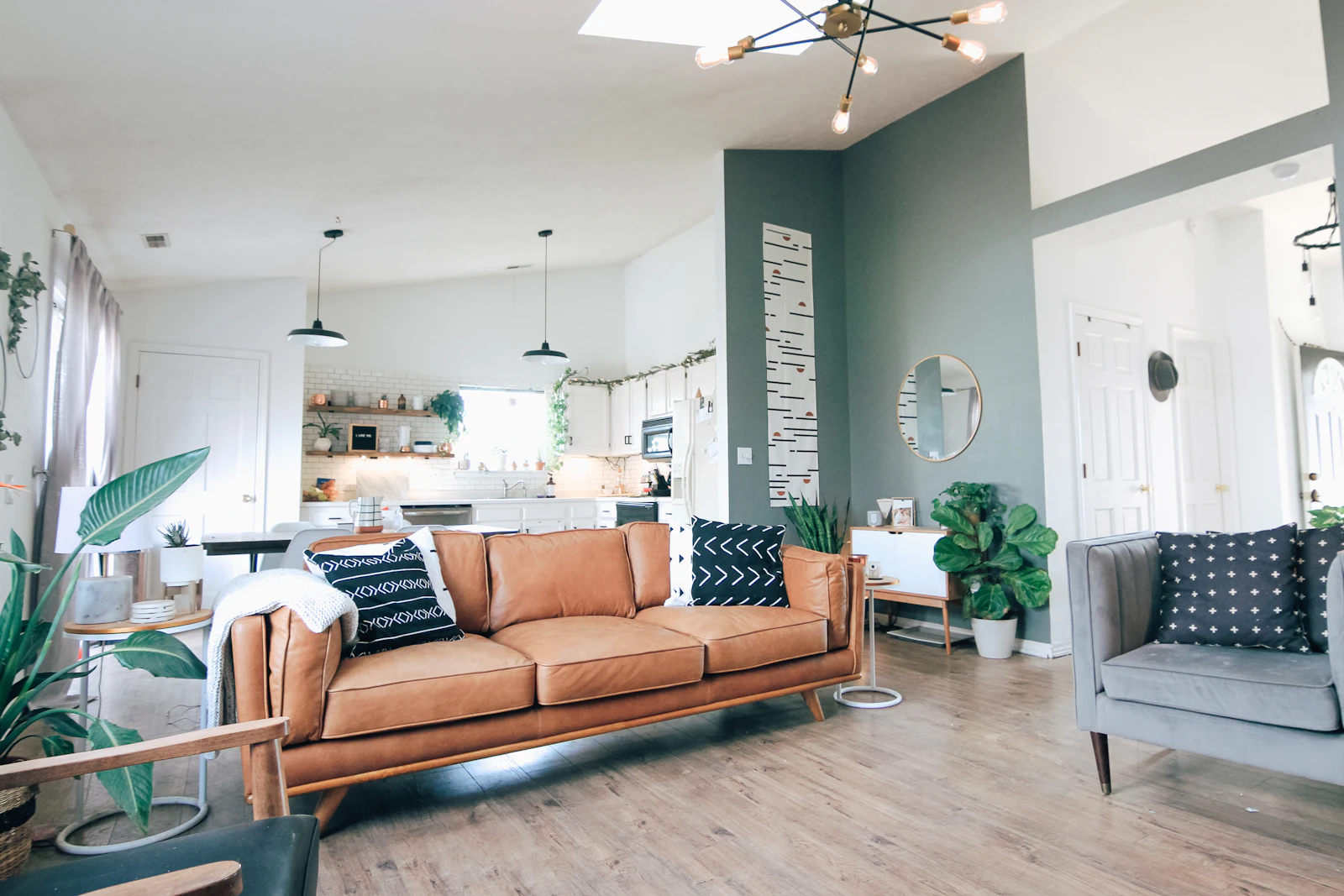
In a small home, one piece of real wood does more work than ten clever flat-pack solutions ever could.
What Reclaimed Pieces Actually Fit in a Small Apartment?
In other words, the trick to using reclaimed wood in small spaces is choosing the right scale. Indeed, a full-sized Jodhpuri sideboard is too large for most studios. But the same workshops that build sideboards also produce smaller pieces that fit beautifully into tight rooms: 90 cm consoles that work as desks or entryway tables, low coffee tables made from a single reclaimed beam, narrow sheesham bookshelves, small hand-carved trunks that double as side tables and storage. Additionally, each of these can deliver the anchor effect without overwhelming the room.
Smaller reclaimed pieces also age beautifully because they are typically used more intensively. Meanwhile, a 90 cm console used daily as a writing desk gets touched, set down on, leaned against, and exposed to indoor light constantly. The patina develops faster than on a large rarely-used sideboard in a bigger home. Notably, five years in, the small console is one of the most beautiful objects in the apartment. Ten years in, it is the centrepiece of every photograph anyone takes in the room. Crucially, small-space design with reclaimed wood is, in this sense, a form of accelerated patina cultivation.
Quick Tip: In a studio or small apartment, choose one mid-sized reclaimed piece (90–120 cm wide) as your anchor and keep everything else around it light and quiet. Resist the urge to add a second statement piece. The reclaimed wood is doing all the heavy work.
Indian Craftsmanship and the Soul of Small Reclaimed Pieces
Indeed, indian workshops have always made small-space-friendly pieces because Indian homes have always included small spaces. However, hand-carved chests for narrow Bombay flats. Compact trunks for one-room shared accommodations. Also, slim sideboards for the long, thin rooms in old Calcutta apartments. The vocabulary of Indian reclaimed furniture includes a whole family of pieces designed for tight footprints, and most modern Jodhpuri workshops still build them.
This is good news for urban dwellers anywhere in the world. Moreover, the same workshops that ship full-sized dining tables to villas in Goa also ship 90 cm consoles to studios in Berlin or Brooklyn. The craftsmanship is the same. Furthermore, the hand joinery is the same. The wood is the same. In fact, only the scale changes. A small reclaimed console from a real Jodhpur workshop will outlive a parade of flat-pack alternatives and look better in photographs from day one.

How to Design a Small Space with Reclaimed Wood — A Practical Guide
- Choose one anchor piece, not three. A 90–120 cm reclaimed console or sideboard along the longest wall does the visual heavy lifting for the whole room.
- Keep walls calm. Cream, off-white, or pale plaster lets the reclaimed wood breathe. Patterned wallpaper fights the wood for attention.
- Use natural textiles. Cotton, linen, jute. Synthetic textiles look out of place next to real wood in a small room.
- Add one large plant. A medium-sized leafy plant near the reclaimed piece doubles the calming effect of both.
- Maximise natural light. Reclaimed wood looks richest in soft daylight. Heavy curtains darken small spaces unnecessarily.
- Keep clutter off the wood. A reclaimed sideboard with three carefully chosen objects on it looks beautiful. The same piece with twelve random things on it looks like a junk drawer.
- Resist multifunctional gimmicks. Real reclaimed pieces are usually single-purpose. That simplicity is part of their visual power in small spaces.
A Small Home Is a Quiet Promise to the Forest
Notably, the Mumbai studio with the small reclaimed console is now five years older than it was when the couple moved in. Indeed, the wood is darker. The patina is deepening. Additionally, the cat still sleeps on it. The console will, with luck, follow the couple wherever they live next, and probably the home after that. Meanwhile, somewhere in central India, a sheesham tree did not have to be felled to make a flat-pack console for that studio. Small-space design with reclaimed wood is, in the end, a tiny version of the same forest-saving math that applies to every reclaimed piece in any home, anywhere.
Choosing a small reclaimed piece for a small home is a quietly powerful act. Notably, it anchors the room visually. It supports a real workshop. Crucially, it keeps a tree somewhere from being cut. It develops more beauty every year you live with it. However, few design decisions in a small space deliver as many simultaneous wins.
In Closing
Above all, small-space design with reclaimed wood is not about cleverness or compromise. Also, it is about choosing one beautiful, real piece and letting it do the work of ten lesser ones. A studio apartment with a single 90 cm reclaimed sheesham console can feel more grown-up, more grounded, and more sustainable than a much larger home full of fast furniture. Moreover, start small, choose wisely, and let the wood quietly do what it was always going to do.
Further Reading on Reclaimed Wood
Furthermore, several other journal pieces extend this story. Moreover, our category archives offer different angles on reclaimed living. Meanwhile, the buying guides simplify your next purchase, and the nature-design pieces show how to use the wood well in your home.
- Where Reclaimed Wood Really Comes From — the salvage chain in detail.
- How to Spot Fake Reclaimed Wood — seven honest tests.
- Sheesham, Mango or Teak buying guide — choose the right hardwood.
- The Slow Furniture Movement — buying less, buying better.
- 10-Year Reclaimed Wood Care Guide — oils, beeswax, patience.
Additionally, the editorial images on this site come from Unsplash, where photographers share their work freely. Likewise, you can browse Reclaimed Roots by topic from the main journal or jump directly to a category.