Reclaimed wood picture frames turn small art into heirloom objects. Therefore, the frame around your favourite photograph or print does almost as much for the wall as the art itself. Salvaged Indian timber brings character, weight, and craft history to the most overlooked design decision in any home. In this guide, we walk through what makes reclaimed wood picture frames different and how to choose ones that genuinely honour the art they hold.
Why Reclaimed Wood Picture Frames Outshine Modern Versions
Most modern picture frames use plastic moulding or thin MDF wrapped in printed wood-grain veneer. Therefore, they often look generic across thousands of homes. Reclaimed wood picture frames, by contrast, use actual salvaged timber that has lived through decades of seasonal change. As a result, every frame carries unique character — old nail holes, weathered edges, faded paint patches, and tight old-growth grain.
Additionally, the small size of picture frames makes craftsmanship visible. Every joint, every chamfer, every grain pattern shows up clearly on a 25 cm × 35 cm surface. Although larger pieces sometimes hide imperfections, picture frames expose them. Consequently, well-built reclaimed wood picture frames become small gallery pieces of Indian craftsmanship within ordinary rooms.
Where the Wood for Reclaimed Wood Picture Frames Comes From
Most reclaimed wood picture frames in India use timber salvaged from old havelis, doors, fishing boats, and barn beams. Therefore, the frames often have a previous life with a story attached. Old door frames are particularly prized because they typically come pre-shaped to a rectangular profile, which simplifies frame construction.
Moreover, ship-plank frames — built from old fishing-boat hull boards — bring distinctive water-staining and faded paint that no other reclaimed source produces. Although availability is limited, these frames carry some of the richest character available. For more on Indian salvage sources, see our piece on where reclaimed wood comes from.
Choosing the Right Reclaimed Wood Picture Frame
Frame proportions matter more than buyers realise. Therefore, match the frame to the art rather than choosing one independently. Bold artworks pair well with thicker reclaimed frames — 5–8 cm wide. Quieter art benefits from thinner frames at 2–4 cm wide. As a result, the frame supports the art without competing with it.
Moreover, the frame depth should accommodate any matting and glass. Therefore, ask the workshop for at least 2–3 cm of internal depth on framed art with glazing. Although shallower frames look sleeker, they limit framing options. For more on choosing reclaimed pieces well, see our reclaimed wood buying guide.
The frame is what the wall says about the art. Build it from wood that knows how to speak quietly.
Pairing Reclaimed Wood Picture Frames With Art
Different art styles call for different frame approaches. Therefore, choose intentionally. Black-and-white photography looks stunning in dark sheesham frames. Botanical illustrations pair beautifully with lighter teak or mango wood. Modern abstracts often work best in restrained frames that recede visually. As a result, the frame and the art together create a cohesive visual statement.
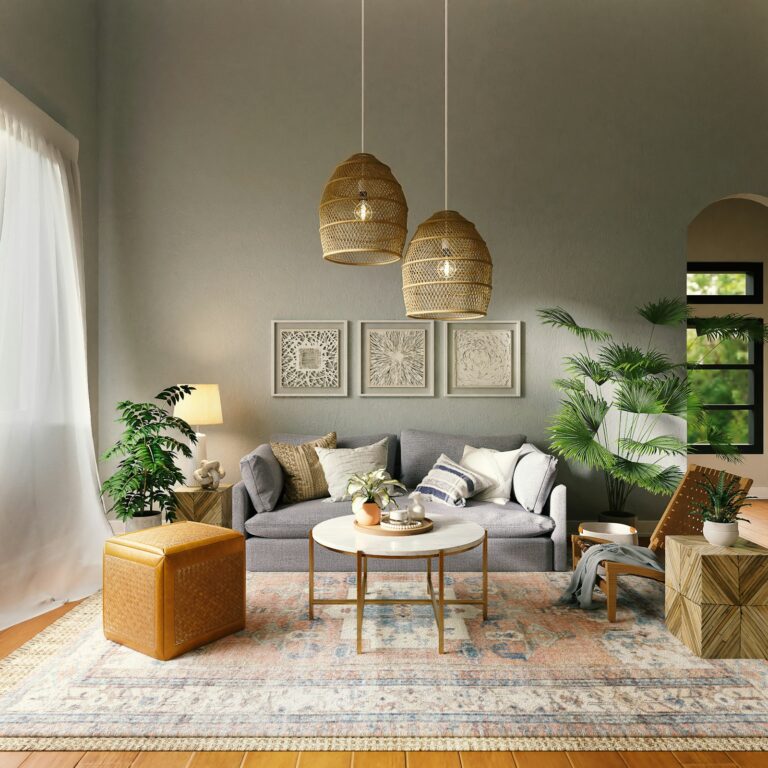
Moreover, mixing several reclaimed frames on a single wall — a gallery wall — adds layered depth without clashing. Although uniformity can work, gentle variation in frame width, wood tone, and shape often reads more lived-in than perfectly matched sets. For more on natural-material design, see our piece on biophilic design.
Quick Tip: Order custom reclaimed wood picture frames in batches of three to five rather than individually. Workshops often offer better per-piece pricing on small batches, and the frames can be coordinated by tone for future gallery walls.
Hanging Reclaimed Wood Picture Frames
Hanging height matters more than wall colour. Therefore, hang reclaimed wood picture frames so the centre of the artwork sits at roughly 145–155 cm above the floor — eye level for the average household member. Although gallery walls vary, single statement frames look best at this height in most rooms.
Moreover, reclaimed-wood frames are heavier than MDF alternatives. Therefore, use proper picture-hanging hardware rather than thin nails. A simple D-ring hanger and proper screw into a wall stud or anchor handles most frame weights. As a result, the frame stays exactly where you placed it for decades.
Caring for Reclaimed Wood Picture Frames
Reclaimed wood picture frames are remarkably low-maintenance. Generally, a soft cloth or feather duster handles weekly dust. Once or twice a year, apply a thin coat of beeswax or hard-wax oil to refresh the wood. Clean the glass with a microfibre cloth and gentle cleaner — avoid spraying directly onto the wood, since overspray can dull the patina.
Moreover, position frames away from direct sunlight when possible. Although reclaimed timber is dimensionally stable, prolonged direct sunlight can fade both the wood and the artwork inside. Indirect daylight or layered ambient lighting protects the frame and its contents across years.
Final Thoughts: A Small Choice With Long Effects
Ultimately, reclaimed wood picture frames prove that small choices shape rooms more than buyers usually realise. The frame around a beloved photograph quietly determines how the photograph reads on the wall, how the wall reads in the room, and how the room reads in the home. Salvaged Indian timber, with its weight and quiet character, honours the art while standing on its own as a small heirloom object. Few small home decisions repay themselves more reliably across decades.